Motogp Brazil: what Autódromo Internacional de Goiânia – Ayrton Senna really brings to MotoGP
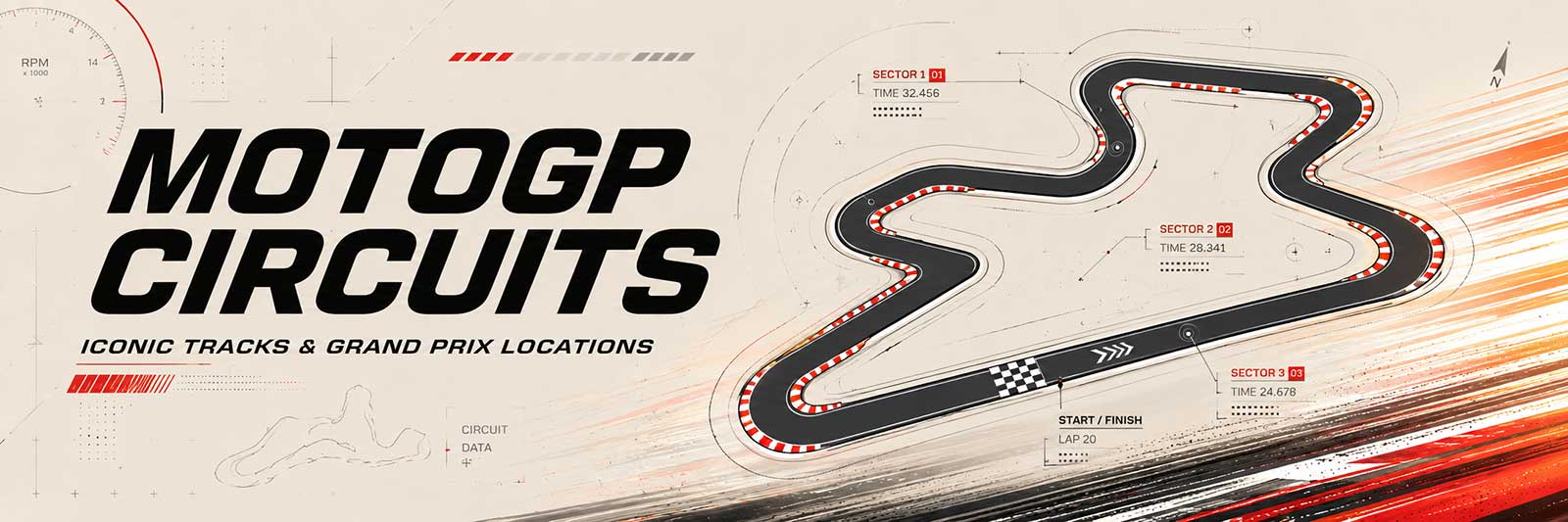
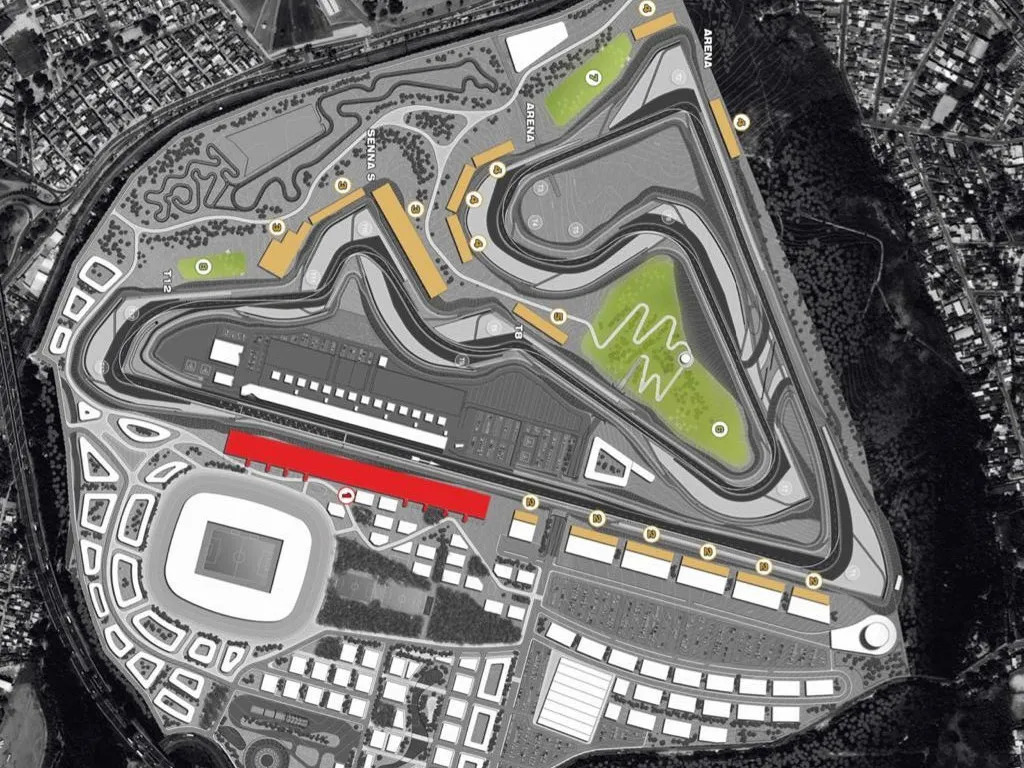
For motogp brazil, Goiânia is not just a pin on the calendar. It is a compact Grand Prix circuit with a 3.84 km lap, 14 turns, a 12-metre width and a main straight that runs just under one kilometre, which immediately tells you this is a track built around repeated transitions rather than endless high-speed sweep.
That matters in MotoGP terms because the venue asks for a precise reading of space. It is short enough to keep traffic, timing and rhythm under constant pressure, but long enough to create one clear acceleration-and-braking reference point on the straight. Goiânia therefore sits in an interesting category: not a sprawling modern layout, but a denser lap where the bike is repeatedly asked to settle, turn, stand up and drive again.
Track summary
Autódromo Internacional de Goiânia – Ayrton Senna is a relatively short, medium-width Grand Prix circuit whose MotoGP value comes from its compact lap structure, long straight, and repeated direction changes. For a reader searching motogp brazil, the key is simple: this is a track that rewards precision, braking control and clean drive more than theatrical speed alone.
What this article explains
- Why the lap shape matters more than the headline location.
- How the straight, turn count and right-left balance influence racing behaviour.
- What the circuit likely asks from riders in braking, turning and traction phases.
- Why Goiânia has real MotoGP relevance beyond simple return-to-calendar news.
Quick access
What the circuit reveals at first glance
The first useful fact about Goiânia is not romantic at all. It is structural. The Grand Prix layout combines 14 turns across 3.835 km, with nine right-handers and five left-handers. That ratio already suggests a lap that leans on directional repetition and a certain asymmetry in how tyres, body position and rhythm are managed over time. It is not a perfectly neutral circuit. It has a directional bias, and MotoGP riders feel those biases quickly because they shape how often the bike is loaded on one side versus the other.
The second visible clue is width. At 12 metres, the track is not unusually vast by modern standards, which matters because it influences line freedom. Riders still have room to prepare entries and exits, but the circuit does not read like a giant open canvas. That tends to make precision more valuable. On a MotoGP bike, where corner entry, release timing and exit line all connect to electronics and rear grip, modest track width can make the difference between a clean lap and a lap spent slightly out of phase.
How the lap is built corner to corner
Goiânia’s logic is best understood as a compressed Grand Prix lap rather than a long-form speed circuit. The 994-metre straight creates one obvious high-load acceleration phase, but the overall length means the rest of the lap has to do a lot of work in relatively little space. That usually produces a rhythm based on quick sequencing rather than isolated showcase corners.
From a MotoGP point of view, that kind of layout changes the way a rider reads momentum. The lap cannot be treated as a collection of independent moments. A shorter circuit with 14 turns asks for carry-over quality: how one exit compromises the next entry, how a slight line error narrows the following braking angle, how quickly the rider can re-centre the bike between directional demands. On paper, those are subtle details. On track, they are often where lap time actually lives.
The right-heavy balance also matters to the circuit’s internal feel. Even without forcing speculative corner-by-corner claims, it is reasonable to say that repeated right-hand loading affects how a rider builds confidence on one side of the tyre and how the bike’s turning attitude is managed over a run. That does not automatically make Goiânia a one-sided tyre torture test, but it does give the lap an orientation rather than a neutral symmetry.
Rhythm, flow and rider workload
What makes Goiânia interesting in MotoGP is that it should feel busy without being visually chaotic. The lap is short enough that there is little dead space, yet it is not so cramped that the rider is simply surviving one stop-go event after another. That usually creates a demanding middle category of circuit: one where flow exists, but only if the rider keeps the bike settled through many small decisions.
That is important because MotoGP riders do not experience rhythm as an abstract concept. Rhythm is front-end trust under release, the speed with which the machine finishes rotating, and how much effort is needed to get the bike stood up early enough for a productive drive. A compact 14-turn lap tends to raise the cost of hesitation. If the rider is late releasing the brake, misses the turning point, or cannot complete rotation cleanly, the penalty can echo for several corners rather than just one.
In that sense, Goiânia looks like a track that rewards disciplined lap construction more than dramatic individual gestures. The rider who keeps the bike calm through transitions, preserves line quality and exits with repeatable traction should gain more over race distance than the rider who chases isolated hero entries.
Braking zones and overtaking logic
The clearest overtaking clue is the main straight. At 994 metres, it gives MotoGP bikes enough time to build real speed before a decisive braking phase, and that alone makes the end of the straight an obvious attack point. It is the part of the lap most likely to reward slipstream positioning, braking confidence and late defensive choices.
But Goiânia should not be reduced to one passing zone. Compact circuits often create secondary overtaking opportunities not because they have huge straights everywhere, but because they repeatedly expose riders to compromised entries. A slightly poor exit from one bend can leave a rider vulnerable into the next directional change. That is classic MotoGP racecraft territory: building a pass one section earlier than it actually happens.
What this usually means under race pressure is that braking stability becomes central. The rider has to stop the bike hard enough to attack, but not so aggressively that the following phase collapses. On a circuit with repeated transitions, a pass is only useful if the bike can still finish the corner and launch away. Goiânia therefore looks less like a pure last-metre ambush circuit and more like a track where overtakes need structural support from the preceding part of the lap.
What the circuit asks from the bike
The technical question at Goiânia is compromise. The straight matters, so acceleration and top-end efficiency cannot be ignored. But the turn count and compact lap length mean the bike also needs to change attitude cleanly and repeatedly. In MotoGP terms, that usually puts a premium on braking composure, mid-corner organisation and exit discipline rather than one-dimensional horsepower thinking.
A well-performing package here should therefore do three things well. First, it should remain stable when the rider releases the brake and asks the front to accept turning load. Second, it should complete direction changes without feeling lazy or overworked. Third, it should deliver drive in a way that does not destroy the following entry. That is the real hidden demand of shorter Grand Prix circuits: traction is valuable, but only when it leaves the next phase intact.
The right-left split also suggests that balance across the lap matters more than chasing one spectacular sector. Teams tend to like circuits that reveal weaknesses honestly, and Goiânia has the profile of that kind of venue. If a bike struggles to settle on entry, rotate at the right speed, or hold a stable line while preparing exit, a compact lap will expose it repeatedly.
How the venue fits into MotoGP history and context
Goiânia is not being asked to invent a MotoGP identity from nothing. The circuit opened in 1974 and previously hosted the Brazilian motorcycle Grand Prix from 1987 to 1989. MotoGP then confirmed in December 2024 that Brazil would return to Goiânia from 2026 under a five-year agreement, which gives the venue both historical grounding and present-tense relevance.
That combination matters. Some return venues rely only on nostalgia, but Goiânia comes back with a current role, not just a remembered one. MotoGP’s own 2026 event information lists the Grand Prix layout at 3.84 km, and the 2026 calendar page confirms the track specifications used for the event.
There is also a useful editorial point here for anyone searching motogp brazil. Brazil in MotoGP terms is often discussed through fanbase, national importance or historical absence. Goiânia sharpens that into something more concrete. It gives Brazil a specific circuit identity again: short-to-medium in length, directional, compact, and built around a meaningful straight rather than a purely sprawling modern footprint.
The factual layer behind the circuit
The solid clues are enough to anchor the reading without forcing unsupported drama. The Grand Prix circuit measures 3.835 km, includes 14 turns, runs with nine right-handers and five left-handers, is 12 metres wide, and features a 994-metre main straight. Those figures do not tell the whole story, but they tell enough to explain why the circuit should reward precise braking, disciplined transitions and carefully built overtakes.
Historically, the track’s original MotoGP-era connection came in the late 1980s, and its modern return was formalised by MotoGP’s 2024 announcement of a five-event deal from 2026 to 2030. That places Goiânia in a useful category: not a speculative venue, but an established Brazilian circuit that has been reintegrated into top-level Grand Prix racing.
What this track reveals about MotoGP
Autódromo Internacional de Goiânia – Ayrton Senna matters because it gives motogp brazil a circuit with a readable, credible sporting profile. It is not interesting merely because MotoGP is back in Brazil. It is interesting because the track itself has enough structure to shape racing: a compact lap, a clear straight-line attack zone, a directional bias, and the kind of repeated transition work that exposes both rider precision and machine balance.
That is why Goiânia is worth studying. It does not need inflated mythology. The circuit already has a strong MotoGP argument of its own: it should reward the rider who builds the lap properly and the bike that stays coherent from braking phase to drive phase. For a Grand Prix returning Brazil to the championship map, that is a serious and meaningful identity.
Author: Eric M.