MotoGP Austin: what Circuit of the Americas really asks of a MotoGP rider
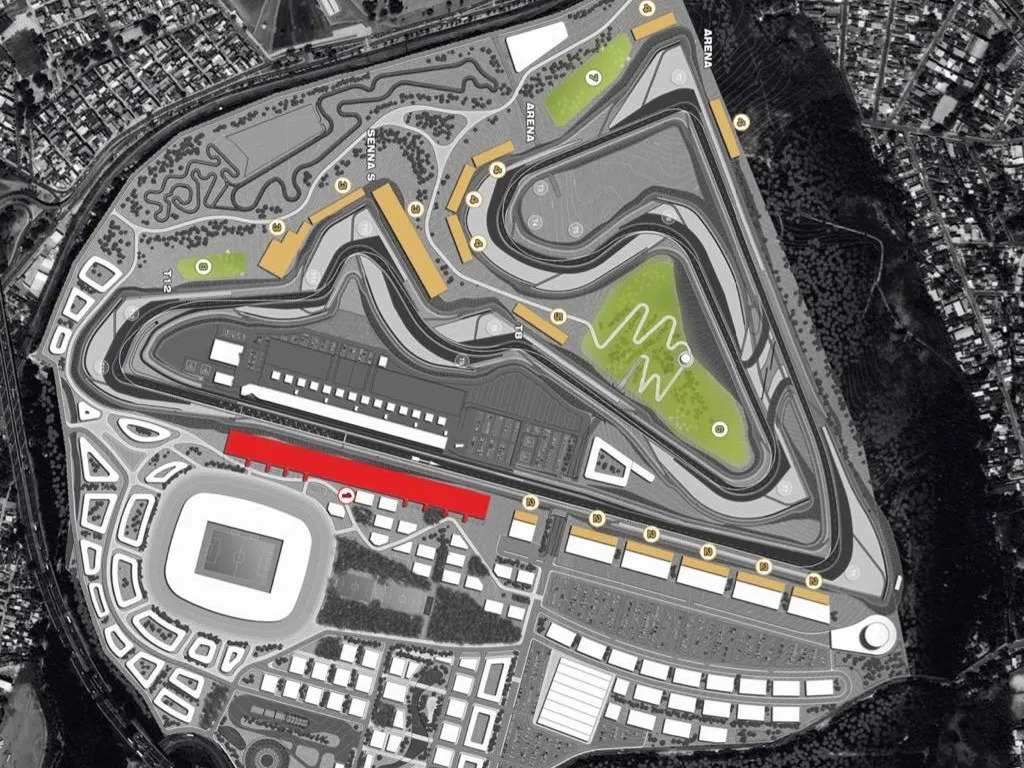
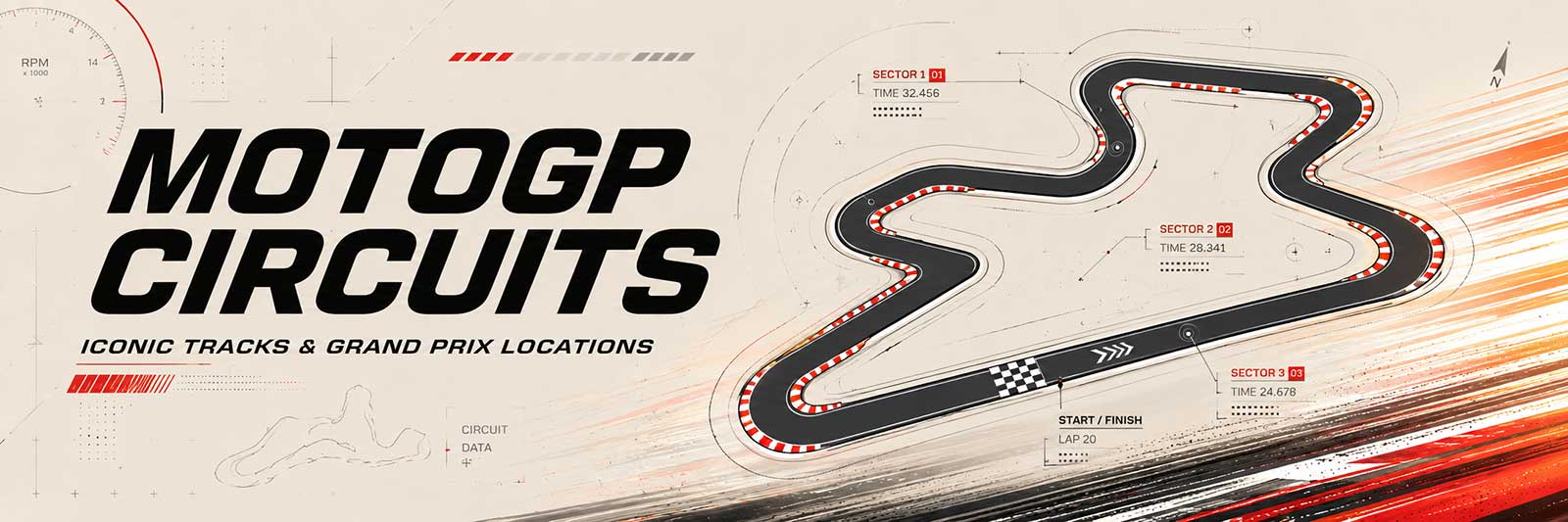
For anyone searching motogp austin, the key point is not just that Circuit of the Americas hosts the United States Grand Prix. It is that COTA is one of the most structurally demanding laps on the MotoGP calendar: 5.513 km long, 20 turns, and built around a major elevation change that rises sharply into Turn 1. Those numbers matter because they describe a circuit that constantly shifts the rider between braking force, direction change, and acceleration management.
COTA does not read like a simple stop-go venue or a pure flowing track. It mixes long-distance commitment, technical sequencing, and spatial variation in a way that forces riders to solve different problems within the same lap. That is what makes motogp austin worth studying in circuit terms rather than treating it as just another calendar stop.
Quick answer
Circuit of the Americas is a long, complex MotoGP track whose identity comes from its uphill Turn 1 approach, a wide range of corner types, and a lap that never settles into one rhythm for long. It rewards riders who can reset quickly between sectors, brake hard without losing front-end confidence, and manage a bike that must work in both flowing and stop-start phases.
What this breakdown covers
- Why the layout feels so varied from one sector to the next.
- How elevation and width change the way riders attack the lap.
- Where overtakes are most naturally built.
- What COTA asks from tyres, braking stability, and setup balance.
Jump to
What stands out before the first lap
The first thing COTA tells you is that it is not a neutral circuit. It is long, it changes elevation dramatically, and it uses 20 corners to create a lap with multiple personalities rather than a single dominant pattern. MotoGP’s official event information describes it as a 5.513 km track with a near 41-metre elevation change, while the circuit itself is widely defined by its steep climb into the first corner. That immediately frames the venue as a place where braking references, visual perspective, and bike placement matter from the opening seconds of the lap.
COTA is also visually broad in the way many riders prefer for attack riding. The circuit was designed with deliberately widened corners to allow different lines, and that matters in MotoGP because line choice is never only about overtaking. It also shapes corner entry, how the bike is turned, and how much freedom a rider has to recover from a small positioning error.
How the circuit is built corner to corner
The design logic of COTA is one of contrast. The lap begins with a steep uphill run into a tight left-hander, then moves into a rapid sequence of direction changes that place immediate emphasis on precision and body control. Later parts of the track shift toward heavier braking zones, slower rotational corners, and longer acceleration phases. That is why the circuit often feels more like several connected track types than one single design idea.
That variety is important in MotoGP terms because it changes what “a good lap” looks like. At some circuits, the lap is built around preserving one kind of momentum. At Austin, the rider has to alternate between momentum sections and harder stop-and-go demands. A bike that feels excellent in one sector can still be exposed in the next if it does not transition cleanly between entry support, change of direction, and exit drive.
The 20-turn count also matters in a simple way: it creates a long concentration window. Riders are not just finding speed; they are managing repeated technical tasks across a lap that offers little opportunity to switch off. On a MotoGP machine, that usually means the circuit rewards those who can keep the lap organized rather than those who rely only on isolated aggressive moments.
Why the lap feels so demanding on a MotoGP bike
COTA’s difficulty is not just physical. It is also cognitive. The rider has to keep recalibrating what the bike needs from one section to the next. The opening sequence demands confidence through rapid left-right transitions, while later areas ask for more conventional braking discipline and cleaner acceleration release. That changing rhythm is one reason the circuit can feel hard to master even for elite riders who are immediately fast elsewhere.
The elevation change reinforces that difficulty. The climb into Turn 1 is visually striking, but its real value is technical. It alters reference points and compresses decision-making into a corner that is both obvious and easy to mishandle if the approach is not controlled. When a MotoGP rider arrives there at speed, the braking phase is not just about force; it is about how the bike stays aligned while the visual horizon changes.
That is why COTA often rewards riders with strong front-end trust and good lap management. The circuit does not let a rider keep doing the same thing. It keeps asking for a reset.
Where passes are built into the lap
For motogp austin, the obvious overtaking focus begins with the long run toward Turn 1. A steep uphill braking zone after a major straight naturally creates a passing opportunity because riders can attack late while still using the incline to help stop the bike. It is one of the clearest examples on the calendar of a corner whose shape, gradient, and approach speed all combine to make overtaking plausible.
But COTA is not limited to one headline passing point. Its mixed layout produces other opportunities because riders frequently arrive at corners from imperfect exits. That matters in MotoGP because many overtakes are built one section earlier than they appear. A compromised drive, a poor line through a sequence, or a delayed bike pickup can leave a rider exposed into the next braking phase.
The wider track design helps here too. Multiple racing lines make it easier to attack from different positions, defend earlier, or square off a corner differently. On a circuit with both fast directional sections and slower braking zones, that flexibility adds racecraft value well beyond simple straight-line speed.
What the circuit asks from the bike
COTA is a compromise circuit in the strict technical sense. Teams need enough stability for hard braking and major direction changes, but they also need drive quality and traction for the slower, more forceful exit zones. That makes setup difficult because the bike cannot be tuned only for one family of corners. It has to remain coherent across a very broad spread of demands.
Tyre management is part of that equation. A long lap with 20 turns and repeated load changes places stress on both consistency and temperature control, especially when the rider alternates between quick transitions and harder acceleration phases. Even without overstating undocumented tyre behaviour, it is reasonable to say that COTA asks for balance more than extremes. A bike that is brilliant only on entry or only on exit is unlikely to feel complete here.
This is also where rider style becomes visible. Riders who can brake late, release pressure progressively, and finish rotation without overworking the rear tend to extract more from a circuit like this. COTA does not just reward raw speed. It rewards a complete operating range.
The sections that define the circuit
If one sequence defines the track’s identity, it is the combination of the uphill Turn 1 approach and the early directional complex that follows. The first corner gives the lap a strong opening signature, but the following linked changes of direction are what confirm COTA’s technical character. They tell the rider immediately that this circuit will not be solved by one braking reference alone.
Later in the lap, the circuit’s reputation comes from how it shifts tone. The rider leaves those flowing movements and enters sections that ask for more braking discipline, more patience in rotation, and cleaner exit timing. That contrast is what makes the lap memorable in performance terms. It keeps changing the question.
Why COTA matters in MotoGP context
Circuit of the Americas has hosted MotoGP since 2013, the year the championship first raced there. MotoGP’s official event pages describe it as the first purpose-built Grand Prix facility in the United States, and its place on the calendar has given the championship a modern, permanent U.S. venue rather than a temporary experiment.
It also has a strong competitive identity. The Grand Prix of the Americas is closely associated with Marc Márquez, who has taken seven MotoGP wins there, which tells you something important about the circuit itself. Tracks do not repeatedly suit the same rider by accident. COTA has historically rewarded commitment on the brakes, front-end confidence, and the ability to stay fast through a lap that keeps changing shape.
What this track reveals about MotoGP
COTA matters because it shows how broad MotoGP’s technical challenge can be within one lap. It combines elevation, width, sequence complexity, heavy braking, and long-lap concentration in a way that forces both rider and bike to stay versatile. That is the real answer behind motogp austin: this is not just an American venue with a famous first corner, but a circuit that tests how completely a MotoGP package works.
That is why the track remains so useful to analyze. COTA does not flatter one-dimensional speed. It rewards riders who can adapt, reset, and keep the whole lap connected.
Author: Alex R.