Circuit of The Americas MotoGP: the track’s unique identity and what it…
Circuit of The Americas (COTA) is one of the most deliberately varied modern grands prix on the MotoGP calendar. Purpose-built and opened for top-level racing in 2012 with MotoGP arriving in 2013, the 5.513 km, 20-corner Grand Prix layout forces prototypes and riders to reconcile long straights and heavy stops with a technical mid-sector and a dramatic uphill signature corner.
Quick summary: COTA pairs high-speed power demands on long runs with high-load braking, rapid direction changes in the esses and slow hairpins. Teams tune suspension and damping for elevation and surface undulations while riders face tyre and endurance trade-offs across a mixed lap profile.
First reading of the circuit
COTA is a modern, purpose-built international facility in Austin, Texas, designed by Hermann Tilke with input from Kevin Schwantz. Its Grand Prix configuration is 5.513 km long and contains 20 corners. The layout juxtaposes two clear characters: powerful, long straights that reward engine performance and top speed, and a densely technical mid- and infield sector where rapid direction changes and slow hairpins test chassis and rider finesse.
Corner rhythm and flow
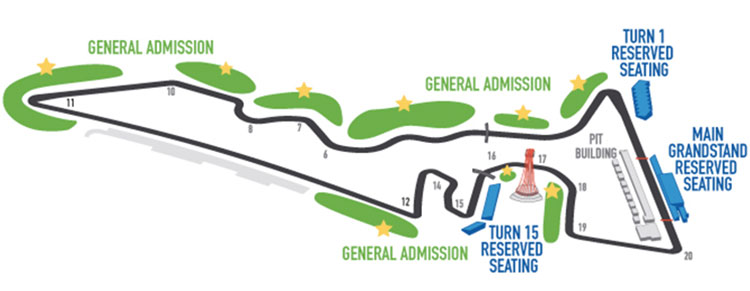
The lap alternates flowing, high-speed sections with abrupt rhythm changes. The opening sequence culminates in the uphill, multi-line Turn 1, then the circuit moves into a complex of esses and multi-apex turns that demand quick transitions and precise line-holding. After the technical mid-sector the track opens to a back straight and additional heavy-braking corners, so a single lap contains both sustained flow and several stop-and-go sequences.
Braking zones and acceleration demands
COTA punishes both extremes. The uphill approach into the steep Turn 1 creates a signature heavy-braking location where entry speed, braking stability and the resulting exit traction are decisive for the lap. Long straights elsewhere expose engine and aerodynamic performance, while the circuit’s slow hairpins and technical mid-sector require strong traction and low-speed manoeuvrability. In short: hard stops and strong launches coexist on the same lap.
Elevation, camber, and visual complexity
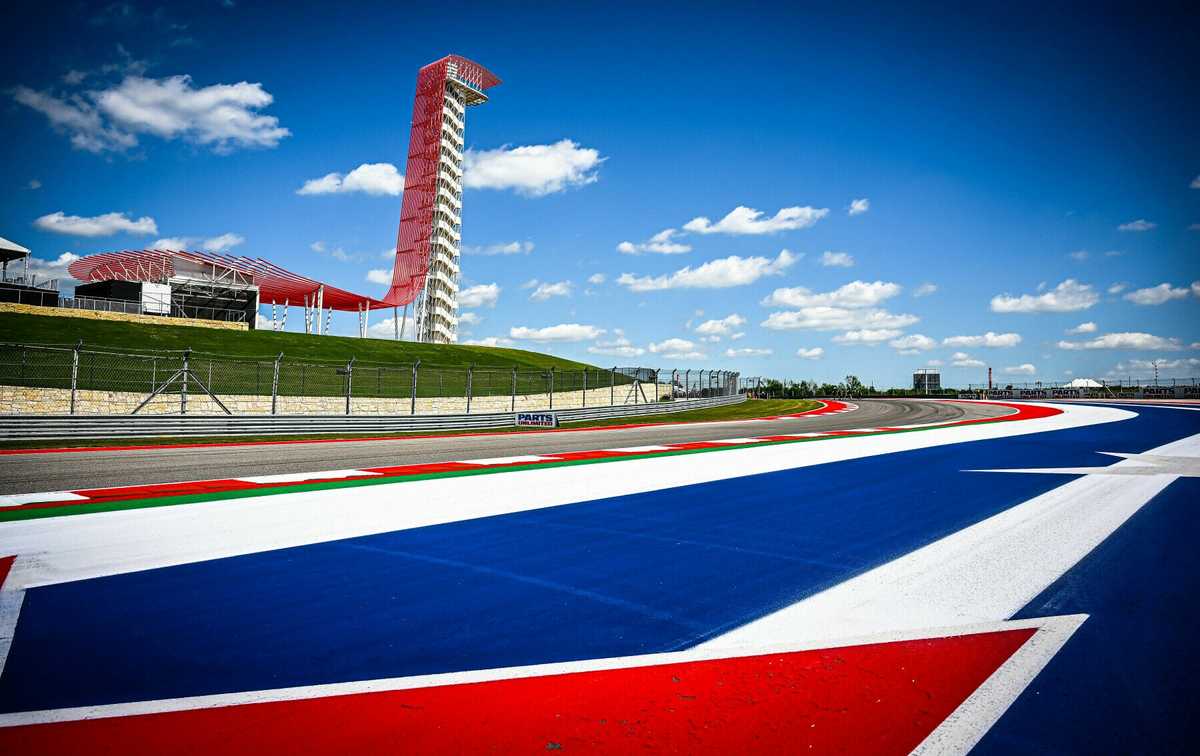
The roughly 40–41 metre elevation change that feeds the climb to Turn 1 is a defining visual and physical feature. That uphill approach alters braking geometry and sightlines, making corner entry behaviour different from flat circuits. Combined with surface undulations and localized bumps, elevation changes complicate chassis balance and demand accurate suspension setup to keep the front contact patch consistent under load.
Tyres, grip, and track contact
The mix of high-speed runs and tight, technical turns creates uneven tyre loading across a race distance. Long acceleration phases heat the rear and demand traction; heavy braking into short-radius corners works the front and can increase front wear. Surface undulations increase contact variability, so tyre management across a race is about balancing peak grip for qualifying with longevity for race distance.
Setup trade-offs
Teams face clear compromises at COTA. Engineers must balance straight-line speed and stability for the long runs against agility and traction for the mid-sector hairpins. Suspension settings are adapted to cope with bumps and kerbs: ride height and damping choices that improve stability under braking may blunt agility through the esses, while softer settings that aid mechanical grip can make the bike more nervous under heavy stops. The net result is a setup that rarely perfectly satisfies every sector, making race setup a nuanced compromise.
Overtaking and racecraft
Overtakes at COTA typically arise from two sources: strong exit drive off slow corners into long straights, and late-braking manoeuvres into heavy stops such as Turn 1. The uphill approach to Turn 1 gives multiple viable lines and braking strategies, so riders who can manage their speed into the climb while preserving traction often convert performance into passing opportunities. Conversely, mistakes in the mid-sector’s rapid direction changes can isolate a rider and cost places, so consistency through the technical section is equally important for race position.
Historical and competitive context
COTA opened for world-class racing in 2012 and welcomed MotoGP in 2013. Its design—combining elements inspired by other famous circuits and a varied corner palette—has made it a favourite test of overall machine and rider versatility. The track is used across multiple world championships, reinforcing its reputation as a venue that examines both outright speed and technical control.
Closing interpretation
Circuit of The Americas is a modern hybrid: it asks MotoGP prototypes for both power and finesse, and it forces teams into thoughtful compromise setups. Riders must deliver repeated precision through elevation, bumps and quick transitions while managing tyre life for long runs and heavy stops. That duality—long straights versus tight technical sequences centered on the uphill Turn 1—defines COTA’s identity and explains why it remains a revealing venue for machines and riders alike.
Author: Eric M.