Decoding the Yamaha YZR‑M1: the technical DNA behind its smoothness and corner…
The Yamaha YZR‑M1 is Yamaha’s factory MotoGP prototype developed since 2002. Widely recognised for a smooth, tractable character and strong mid‑corner speed, the M1’s identity comes from a consistent chassis-first philosophy combined with an evolving engine and electronics package.
Quick answer
The YZR‑M1 pairs an inline‑four architecture—notably using a crossplane crank since 2009—with a handling-focused aluminium twin‑beam chassis and advanced electronic controls. That mix produces the M1’s hallmark smooth power delivery and strong cornering speed.
What you will learn here
- How engine layout and the crossplane crank shape the M1’s drive character.
- Why Yamaha’s chassis choices favour mid‑corner stability and precise turning.
- How electronics and transmission systems are used to translate tractable power into lap time.
Visual reading of the machine
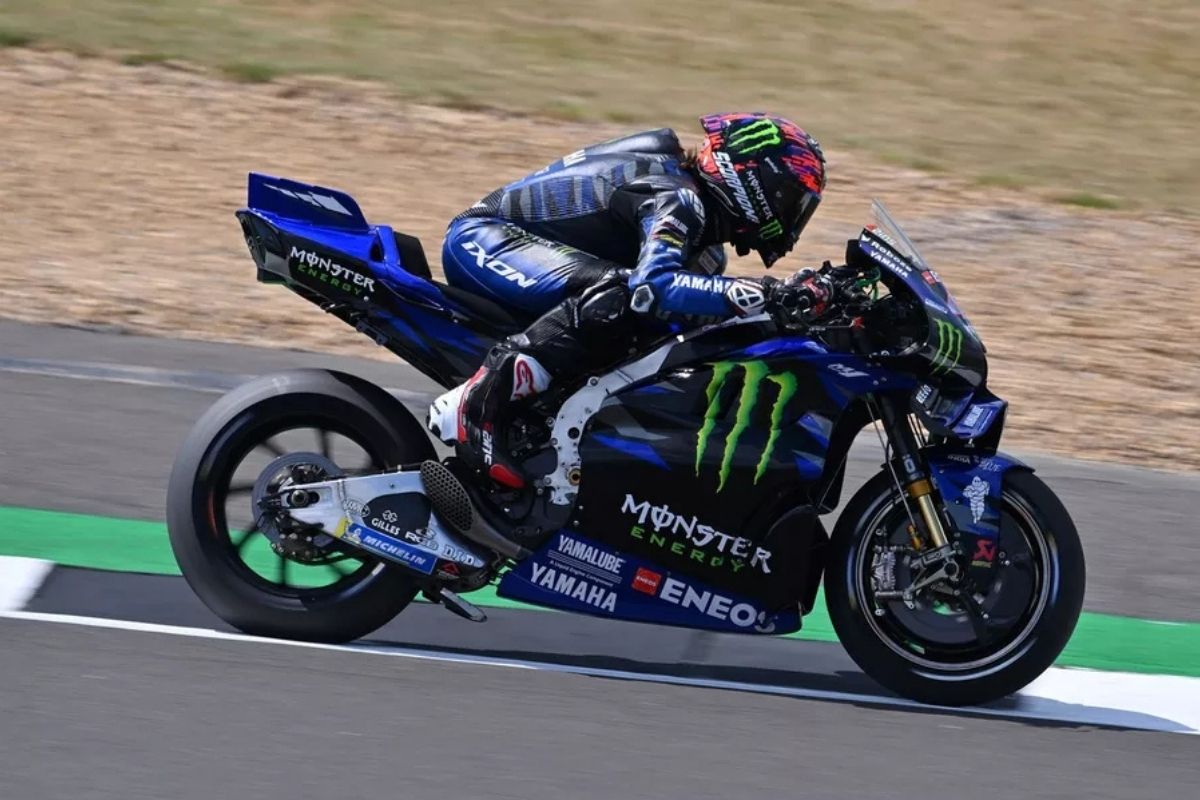
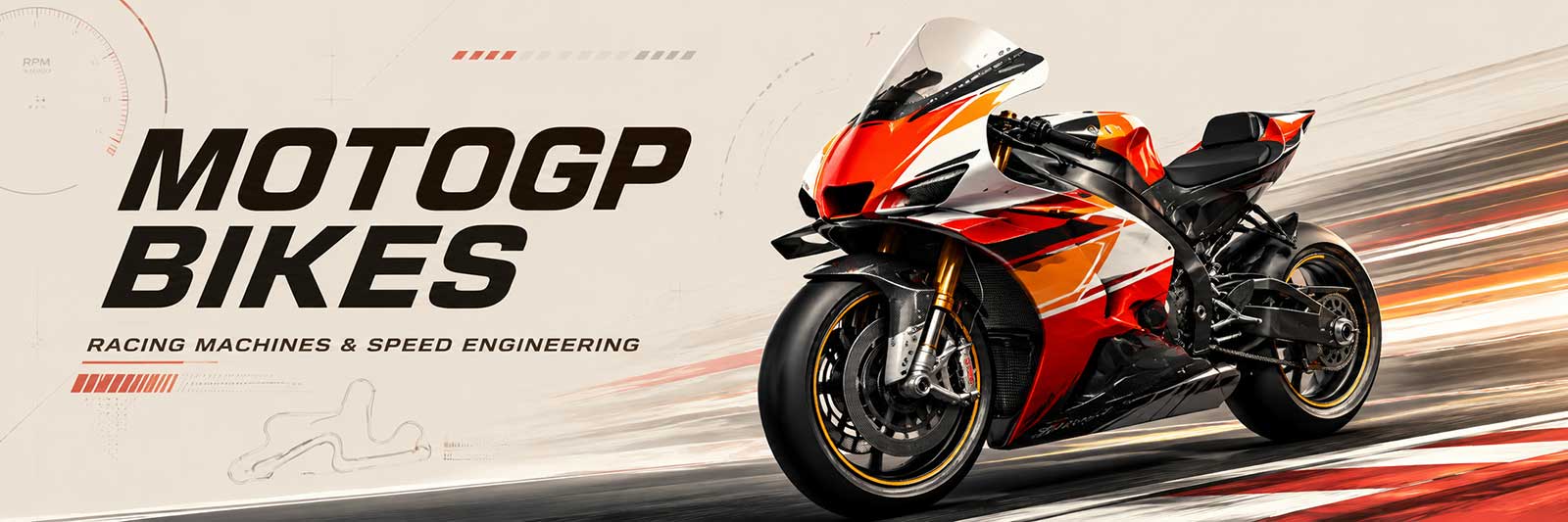
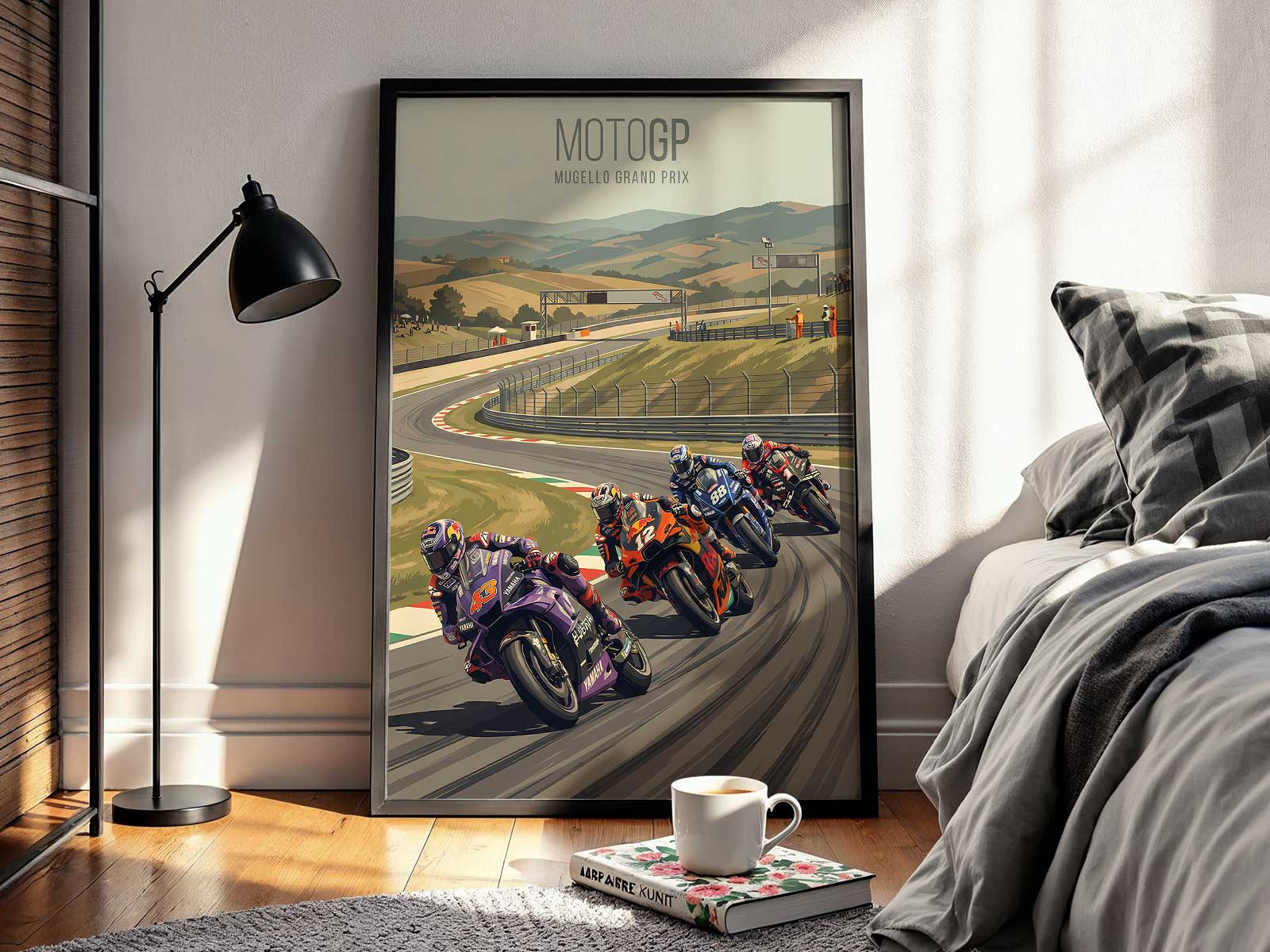
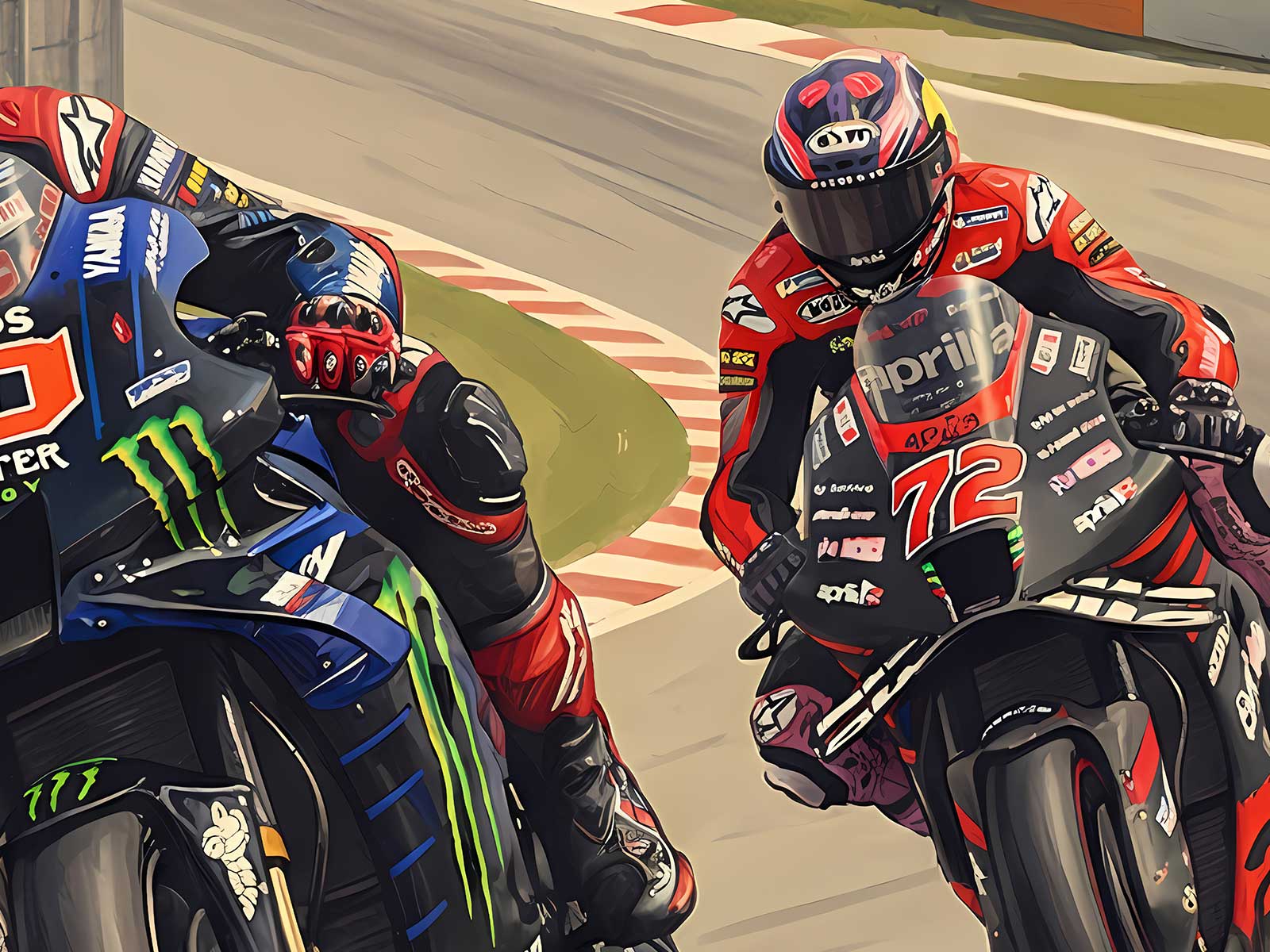
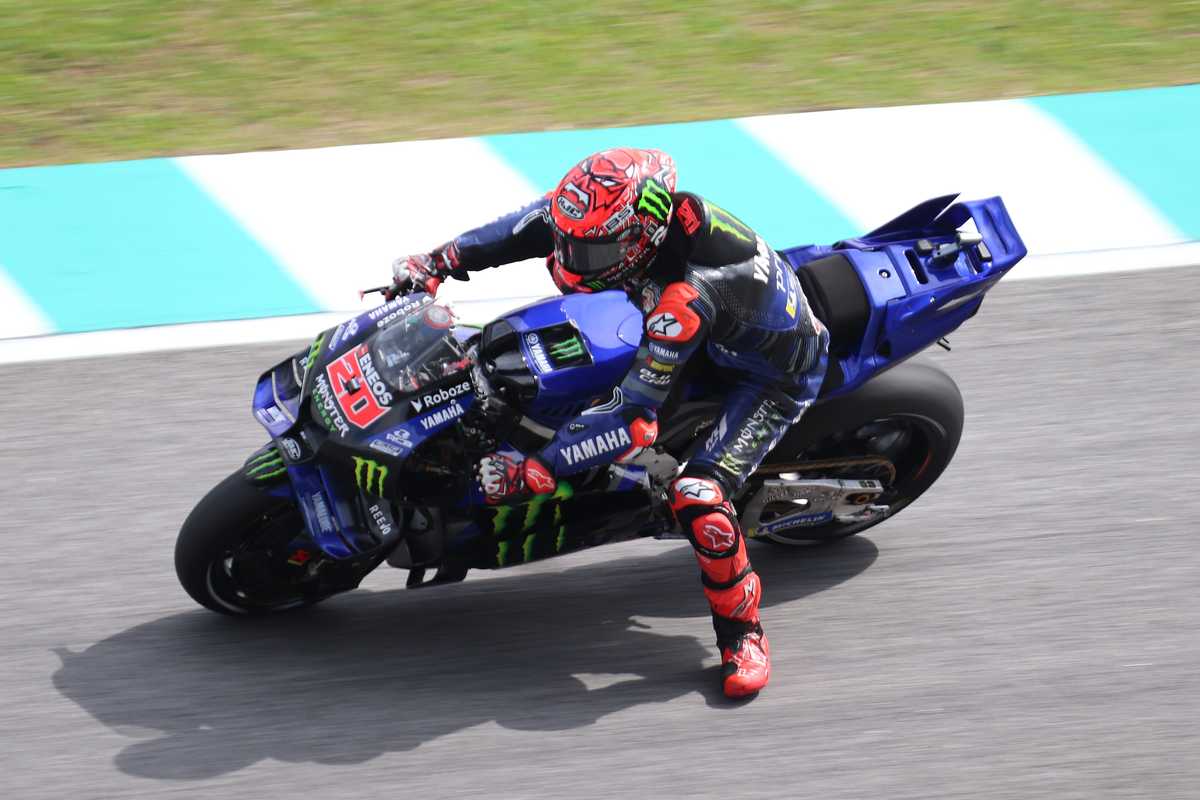
Even without detailed telemetry, the YZR‑M1’s external packaging tells a clear story: compact lateral engine packaging that sits within a slim aluminium twin‑beam chassis, bodywork shaped to preserve rider movement and to support cornering stability. Over the years the M1’s fairing and mounting points have evolved, but the visible priority remains a tidy central mass and rider‑friendly ergonomics that favour precision input rather than brute-force aero or extreme forward weight bias.
Engine layout and drive character
The M1 has historically been an inline‑four prototype through successive MotoGP displacement rules (from the early 990cc era, through 800cc, to the current 1000cc class). A defining technical pivot came in 2009 when Yamaha adopted a crossplane (irregular firing‑order) crankshaft for its inline‑four engines. That crank changes the delivery profile: it reduces abrupt torque pulses, improves rear tyre traction on corner exit, and produces a more tractable low‑speed behaviour compared with a conventional flat‑plane I4.
Yamaha has continued to iterate engine spec to address power deficits while attempting to preserve the M1’s handling strengths. Public reporting documents multiple development cycles and engine updates, including work on new architectures revealed in recent coverage indicating exploration beyond the conventional inline‑four layout.
Chassis balance and turning feel
Yamaha’s stated and observed philosophy for the M1 places chassis and handling at the centre of lap‑time development. The aluminium twin‑beam frame tradition gives a predictable flex pattern and allows engineers to tune front‑to‑rear stiffness to prioritise agility through direction changes and mid‑corner stability. On track that translates to a machine that riders describe as smooth through turn entry and fast through the mid‑corner—an expectation built into every M1 generation.
Because the engine packaging and frame work together, Yamaha can preserve a neutral balance that rewards precise rider inputs rather than forcing corrections. That behaviour is part mechanical and part achieved through iterative development of geometry and stiffness rather than radical layout changes.
Aero, bodywork and the electronics control layer
The M1’s aerodynamic approach has evolved to support handling rather than purely chasing top speed. Fairing shapes and winglet usage are packaged to stabilise the bike under braking and to keep airflow consistent through cornering phases, with rider movement space retained. Aerodynamic choices work together with electronics to make the chassis more usable lap after lap.
Electronics form a key part of the M1’s effectiveness. Modern YZR‑M1 machines rely on traction control, engine braking control, wheelie control and seamless‑shift gearboxes operating within the MotoGP ECU framework. These systems manage power delivery and braking behaviour so that the chassis and tyre contact can be exploited for corner speed. Yamaha’s manufacturer engine mapping and iterative software tuning aim to convert the engine’s tractable character—especially after crossplane adoption—into repeatable lap‑time gains.
Braking, tyres and track contact
Yamaha’s holistic emphasis on chassis and electronics extends to how the M1 uses tyres and brakes. With electronic engine braking control and a focus on neutral geometry, the M1 is set up to maximise tyre contact and heat consistency through the corner sequence. That approach reduces abrupt load transfers that can unsettle the tyre, supporting the machine’s reputation for a forgiving and smooth transition from braking to turn‑in and then to mid‑corner stability.
Brake package details are managed within MotoGP regulations and team choices, but the relevant point is how the M1’s balance and electronic aids preserve grip and enable the rider to exploit available tyre performance without excessive corrective input.
Development path and technical evolution
The YZR‑M1 is the descendant of Yamaha’s YZR500 lineage and has been developed continuously since 2002. Official Yamaha material and technical sheets show iterative changes across engine displacement rules, chassis refinements and electronics integration. While Yamaha has repeatedly worked to close any peak‑power deficit—documented in public reporting about engine development pipelines—the factory has tried to do so without losing the M1’s handling strengths.
Recent coverage indicates Yamaha experimented with a V4‑powered prototype as part of its search for different power/packaging trade‑offs; such developments are part of a longer pattern where Yamaha balances power increases against the imperative to maintain the M1’s core chassis qualities.
Rider workload and setup demands
Because the M1’s design prioritises smoothness and cornering speed, the rider’s workload tends towards precision rather than brute force corrections. Riders benefit from a machine that rewards clean lines and consistent throttle application; electronics reduce the need for aggressive traction interventions. Setup work therefore focuses on fine‑tuning balance, mid‑corner chassis response and engine mapping rather than masking unstable behaviour.
That said, iterative engine developments require the team to manage the compromise between added power and preserving the handling envelope—so rider feedback remains central to each development cycle.
Closing interpretation
The YZR‑M1’s technical DNA is the result of a deliberate, chassis‑centred approach married to an inline‑four engine philosophy modified by the crossplane crank. Together with advanced electronics and purposeful aero packaging, this creates a prototype that prioritises smooth, tractable power delivery and high mid‑corner speed. Yamaha’s ongoing development—engine iterations and exploratory prototypes—shows the factory attempting to raise peak performance while keeping the mechanical and behavioural characteristics that define the M1.
Author: William L.