MotoGP French GP: Decoding the Bugatti Circuit’s Historical Legacy
The Bugatti Circuit at Le Mans has been a central thread in the story of the French Grand Prix for decades. From its mid-1960s construction to its steady role in the modern MotoGP era, the circuit has evolved physically and institutionally to meet the demands of top-level motorcycle racing.
Summary
The Bugatti Circuit, built in the mid-1960s and named for Ettore Bugatti, moved from early multi-discipline use to become the modern and consistent home of the French MotoGP. Its layout and safety features have been adapted over decades, and since 2000 the French MotoGP round has been staged there every year.
Reader preview
- Origins of the Bugatti layout and early motorsport role
- How the circuit adapted its configuration and safety to motorcycle racing
- Why Le Mans became the consistent host of the French MotoGP from 2000
Quick access
Origins of the venue and early motorsport role
The Bugatti Circuit was constructed in the mid-1960s and named after Ettore Bugatti. Built as a permanent race track within the Le Mans complex, its creation allowed organizers to stage a wider range of national and international events distinct from the lengthy public-road Circuit de la Sarthe used for the 24 Hours of Le Mans. One early notable moment for the Bugatti layout was hosting the 1967 French Formula 1 Grand Prix—the only Formula 1 World Championship race run on the Bugatti configuration—underlining the track’s immediate relevance to top-level racing.
The first motorcycle Grand Prix years at Bugatti
Motorcycle Grand Prix racing arrived at the Bugatti Circuit soon after the venue established itself in the international calendar. The Bugatti Circuit first hosted a motorcycle Grand Prix in 1969, joining the list of French venues that have staged premier-class motorcycle events. Over subsequent decades the track remained part of the national and international motorcycle scene, developing an identity as a purpose-built permanent circuit suited to both car and bike racing.
The venue as it changed over time
Across its life the Bugatti Circuit underwent multiple evolutions and layout adaptations. These changes were driven by the twin pressures common to long-lived circuits: evolving safety standards and the needs of different racing categories. Over decades, the layout and safety features were modified to meet changing regulations for both automobile and motorcycle competition. Because MotoGP does not use the full historic Circuit de la Sarthe, the Bugatti permanent track has been the logical configuration for bike racing at Le Mans, offering paddock and logistics suitability and motorcycle-appropriate safety characteristics.
The Bugatti Circuit and MotoGP’s modern era
From 2000 onward the MotoGP (top-class) French round has been held at the Bugatti Circuit each year, making Le Mans the consistent home of the modern French MotoGP entry. That continuity has anchored the French round in the same venue through the contemporary era of the sport, even as the championship and circuits worldwide have adapted to technical and regulatory change.
Riders, eras and the circuit’s competitive identity
The Bugatti Circuit’s long association with Grand Prix motorcycle racing means it has been present through multiple rider eras and changing competitive dynamics. While this article does not attempt to attribute specific race results or single-handed associations beyond verified event facts, the circuit’s steady place on the calendar since 2000 confirms its role as a stage where successive generations of riders have contested French grands prix and where the venue’s characteristics have influenced race craft across eras.
Famous races and turning points
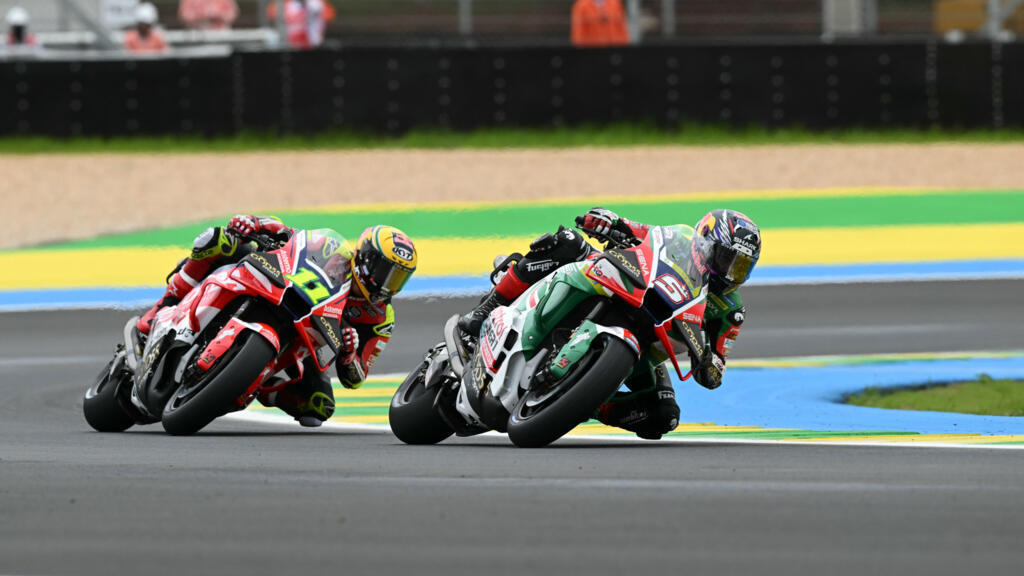
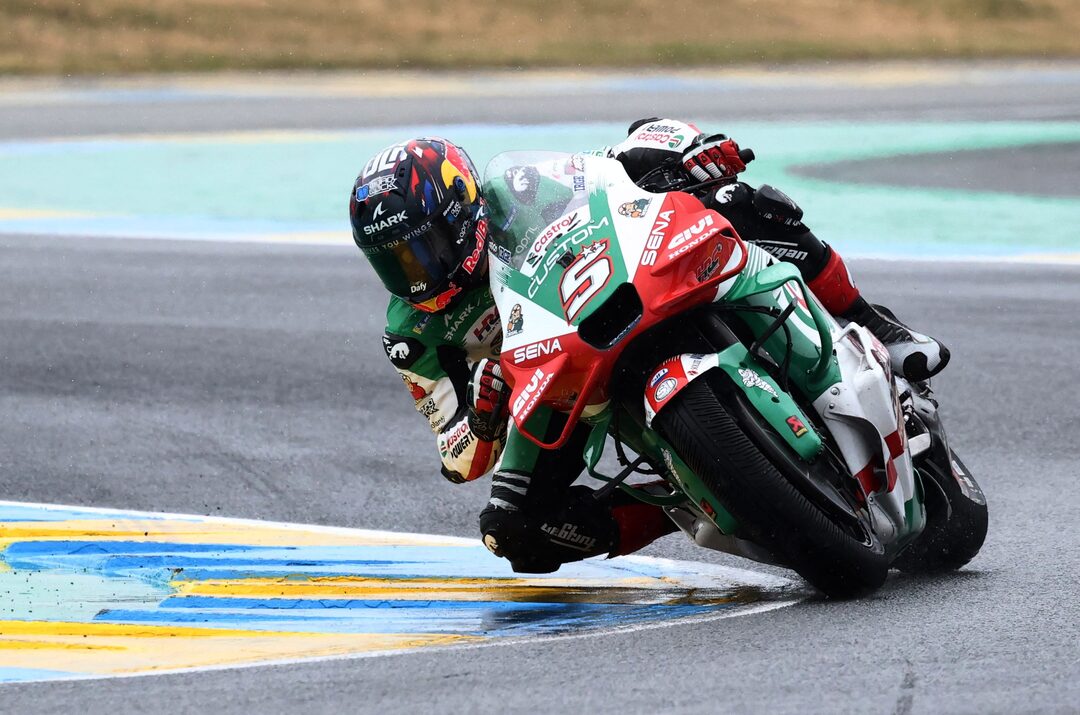
The Bugatti Circuit’s history includes memorable weekends and dramatic conditions that have shaped event narratives, including modern weather-affected races reported in recent seasons. The track’s permanent, shorter layout relative to the full Sarthe configuration has repeatedly framed how the French round unfolds—logistically, strategically and from a safety standpoint.
The circuit in the changing MotoGP calendar
Le Mans sits among several circuits that have hosted the French motorcycle Grand Prix over the sport’s history. What distinguishes the Bugatti Circuit is the continuity it has provided since 2000. That continuous presence reflects both the circuit’s capacity to meet MotoGP’s logistical and safety requirements and the broader commercial and sporting reasons for a stable calendar entry. The Bugatti Circuit’s multi-event role—hosting motorcycles and cars in distinct configurations—ensured it remained adaptable as championship needs evolved.
What the Bugatti Circuit came to represent
Over its life the Bugatti Circuit came to represent a durable, adaptable motorsport venue inside one of the world’s most iconic racing complexes. Its identity is bound up with Le Mans as a multi-era motorsport hub: a permanent circuit capable of hosting national and international motorcycle grands prix, major car events, and endurance racing in the broader complex. For MotoGP, Bugatti represents a venue where safety-driven changes, logistics and a dedicated permanent layout combined to provide a consistent French home for the top class.
What this history now means
Looking at the Bugatti Circuit’s trajectory shows how a mid-1960s permanent track can adapt across decades to remain relevant to world championship-level motorcycle racing. Its evolution—construction in the 1960s, hosting major events including the 1967 F1 race on its layout, the introduction of motorcycle GPs in 1969, and continuous MotoGP staging since 2000—illustrates how circuit design, safety adaptations and venue identity interact. The Bugatti Circuit’s place in MotoGP history is therefore not only in individual races but in the durable role it has played as France’s steady Grand Prix venue in the modern era.
Author: Alex R.