Brazil MotoGP: Decoding the Historical Legacy of the Brazilian Grand Prix…
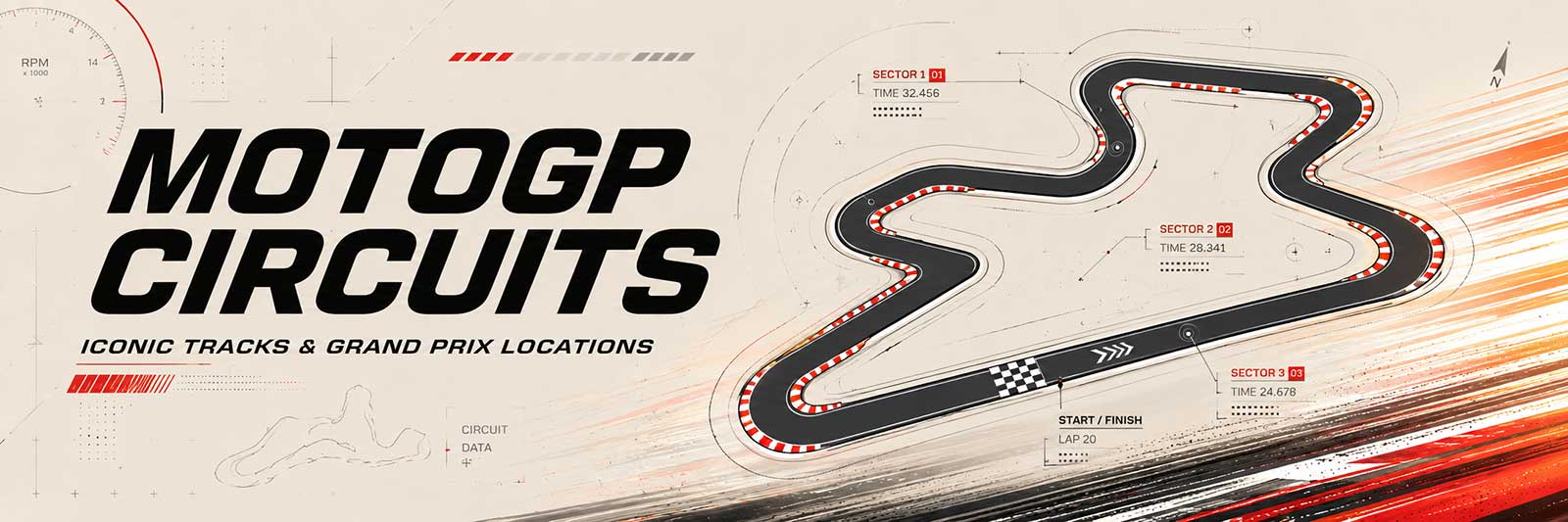
The story of Brazil in Grand Prix motorcycle racing is a patchwork of venues and eras. From the Autódromo Internacional Ayrton Senna in Goiânia to spells at Interlagos and Jacarepaguá in Rio de Janeiro, the Brazilian motorcycle Grand Prix has moved, adapted and returned to the world championship stage in different forms.
Summary
This piece traces the Brazilian Grand Prix through its primary venues: Goiânia (Autódromo Internacional Ayrton Senna), São Paulo (Interlagos) and Jacarepaguá (Autódromo Internacional Nelson Piquet). It highlights how the circuit choices reflected calendar priorities, safety standards and infrastructural change — culminating in MotoGP's announced return to Goiânia in 2026 after upgrades and homologation work.
Quick reader preview
- Origins and first top-class years at Goiânia (1987–1989)
- Later Brazilian venues: Interlagos (1992) and Jacarepaguá (1995–2004)
- The 2026 return to Goiânia and the role of renovations to meet MotoGP standards
Quick access
Origins of the Brazilian Grand Prix
The Brazilian motorcycle Grand Prix entered the world championship map across multiple venues rather than a single, continuous home. The Autódromo Internacional Ayrton Senna in Goiânia is central to that origin story: it hosted the Brazilian motorcycle Grand Prix in the late 1980s and established Brazil as a location for premier-class events during that period. Subsequent years would see the nation represented by other circuits as organisers and promoters sought locations that matched calendar needs and infrastructural capabilities.
The first premier-class years at Goiânia
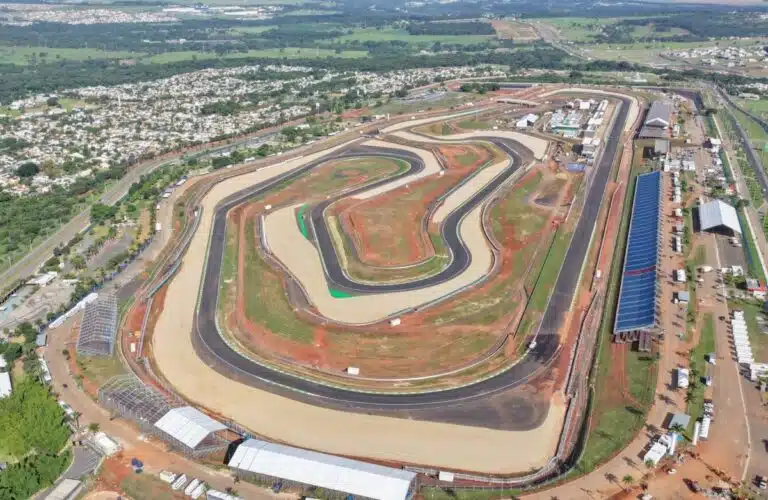
Goiânia's Autódromo Internacional Ayrton Senna staged the Brazilian motorcycle Grand Prix from 1987 to 1989. Those early appearances placed a Brazilian circuit within the world championship's global rotation and showed that the country could host top-level motorcycle racing. The Goiânia period is therefore the first defined chapter in Brazil's Grand Prix history: an initial integration with the premier-class calendar that later moved between venues.
The venue evolution: Interlagos and Jacarepaguá enter the story
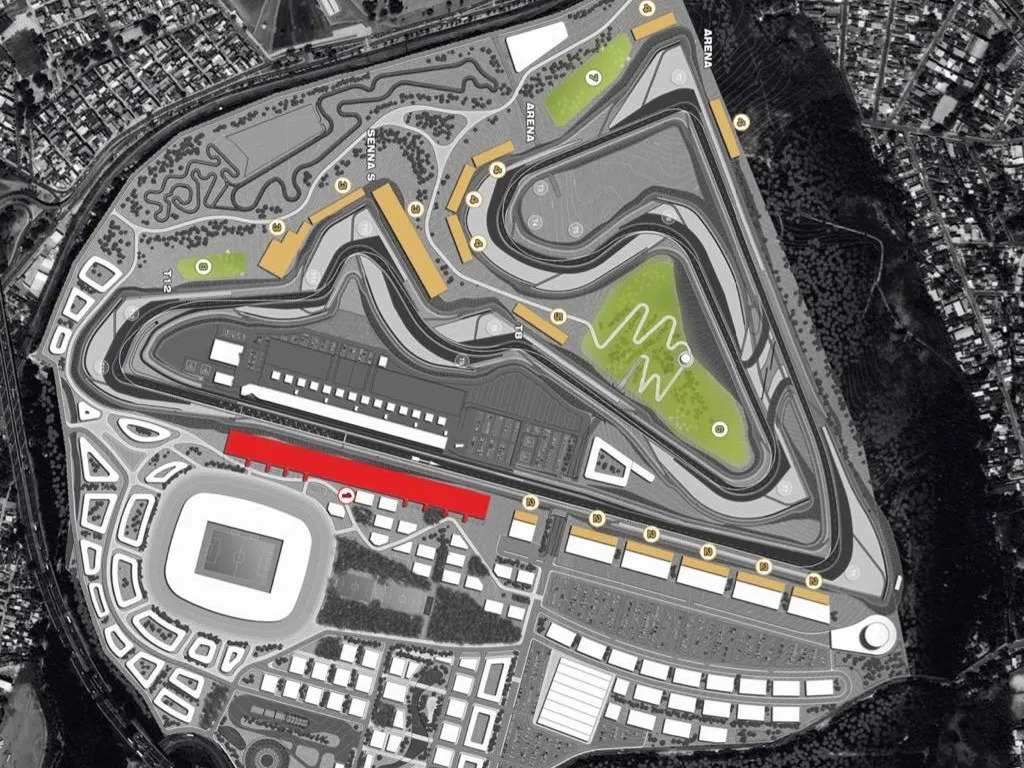
After the Goiânia years, Brazil's Grand Prix presence shifted. Interlagos in São Paulo hosted the race in 1992, illustrating how established national circuits were brought into the motorcycle championship picture. Later, Autódromo Internacional Nelson Piquet in Jacarepaguá, Rio de Janeiro, became the most durable Brazilian venue for the motorcycle Grand Prix era that followed — hosting races through the 1990s and into the early 2000s, with the last motorcycle Grand Prix there taking place in 2004 before later redevelopment removed the circuit.
Riders, eras and the venue's identity
Across these venue shifts, the Brazilian Grand Prix did not develop a singular, continuous identity tied to one track in the way longer-standing European rounds did. Instead, its identity has been composite: the Goiânia chapter marked Brazil's entry into the premier-class rotation, Interlagos represented a move to a major national motorsport venue, and Jacarepaguá provided a sustained period in the 1990s and early 2000s when Rio de Janeiro was the country's Grand Prix centre. Each venue therefore contributed distinct associations to Brazil's Grand Prix image within world championship history.
Safety, upgrades and the path to homologation
When MotoGP announced a return to Brazil with a multi-year agreement to race at Goiânia beginning in 2026, it was accompanied by the clear requirement that the circuit meet contemporary FIM and MotoGP safety and homologation standards. Public reporting and calendar listings note that Goiânia underwent renovations and upgrades ahead of the 2026 event; those works were necessary to align a historical venue with modern technical and safety expectations, reflecting how older tracks must adapt to remain part of the championship.
The circuit in the changing MotoGP calendar
Brazil's presence in the MotoGP calendar has been intermittent, reflecting both local circumstances and the global expansion of the championship. The sequence of venues — Goiânia, Interlagos and Jacarepaguá — and the long absence from the calendar after 2004 show how national Grands Prix can ebb and flow in prominence. The announcement and promotion of the 2026 Brazilian Grand Prix at Goiânia indicates a deliberate return, backed by event listings, ticket pages and press reporting that placed the Grand Prix back on the official schedule for 2026.
What the Brazilian circuit legacy represents
Viewed together, the venues that have hosted the Brazilian motorcycle Grand Prix represent the adaptability of the world championship and the differing ways a nation can host premier-class motorcycle racing. Goiânia's early role, Interlagos's single-year appearance, and Jacarepaguá's decade-long run show how local infrastructure, safety evolution and calendar priorities shape where and how MotoGP races are held. The 2026 return to Goiânia — contingent on upgrades and homologation — underlines that legacy circuits can be revived when investment meets regulatory standards.
What this history now means
The Brazilian Grand Prix history is not a simple line but a sequence of adaptations. The circuit story is one of place-hopping: a nation that hosted premier-class racing at Goiânia, experimented with Interlagos, and sustained a longer presence at Jacarepaguá before a lengthy absence. The confirmed return to Goiânia in 2026, after renovation and homologation work, closes a loop in that history — demonstrating how historic venues can be modernised and reinserted into the world championship calendar. In doing so, Brazil's MotoGP legacy becomes a case study in venue resilience, regulatory evolution and the practical demands of staging motorcycle Grands Prix in different eras.
Author: Eric M.