KTM RC16 MotoGP: How a V4 and a Tubular Trellis Define an Aggressive Ride
The KTM RC16 MotoGP is a deliberate technical statement: a 90° V4 race engine packaged inside a tubular‑steel trellis main frame, ridden and developed publicly since its 2016 reveal and brought into full competition from 2017 onward. Those two core choices — V4 powerplant and steel trellis chassis — set the RC16 apart from the aluminium twin‑spar norm and create the machine's characteristic, aggressive behaviour on track.
Quick answer
The RC16 pairs a compact 4‑cylinder V‑4 engine (reported as a 90° layout) with a tubular‑steel trellis frame and WP suspension—an architecture that favours a certain tactile, aggressive riding style rather than the neutral, aluminium‑spar feel many rivals aim for.
What you will learn here
- How the V4 and trellis frame interact to affect chassis balance and turning.
- Which suspension and packaging choices reinforce an aggressive setup.
- How observable race behaviour links back to the RC16's core technical identity.
Visual reading of the machine
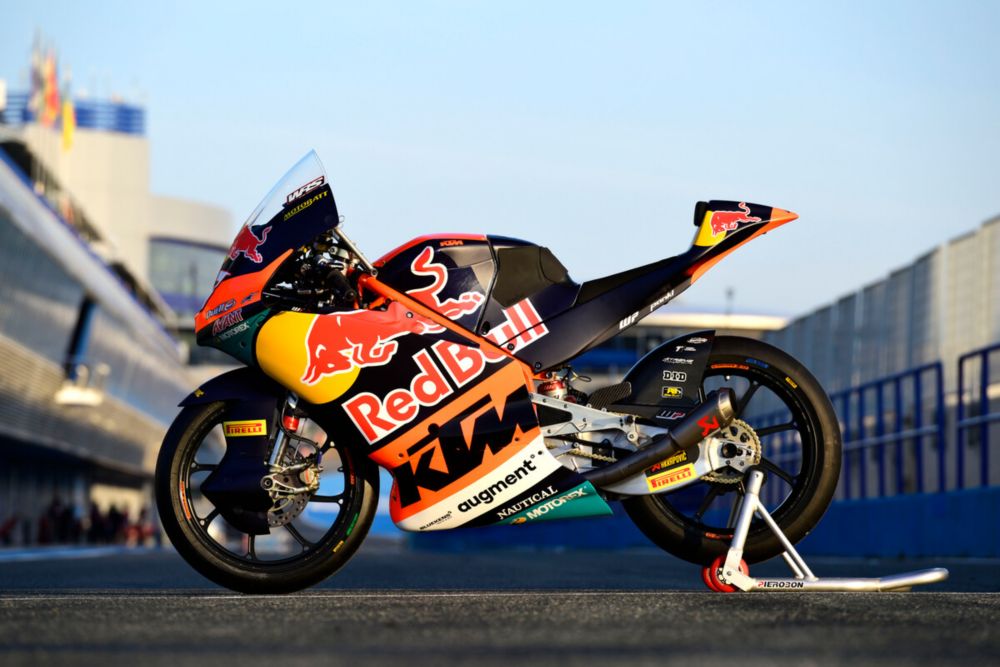
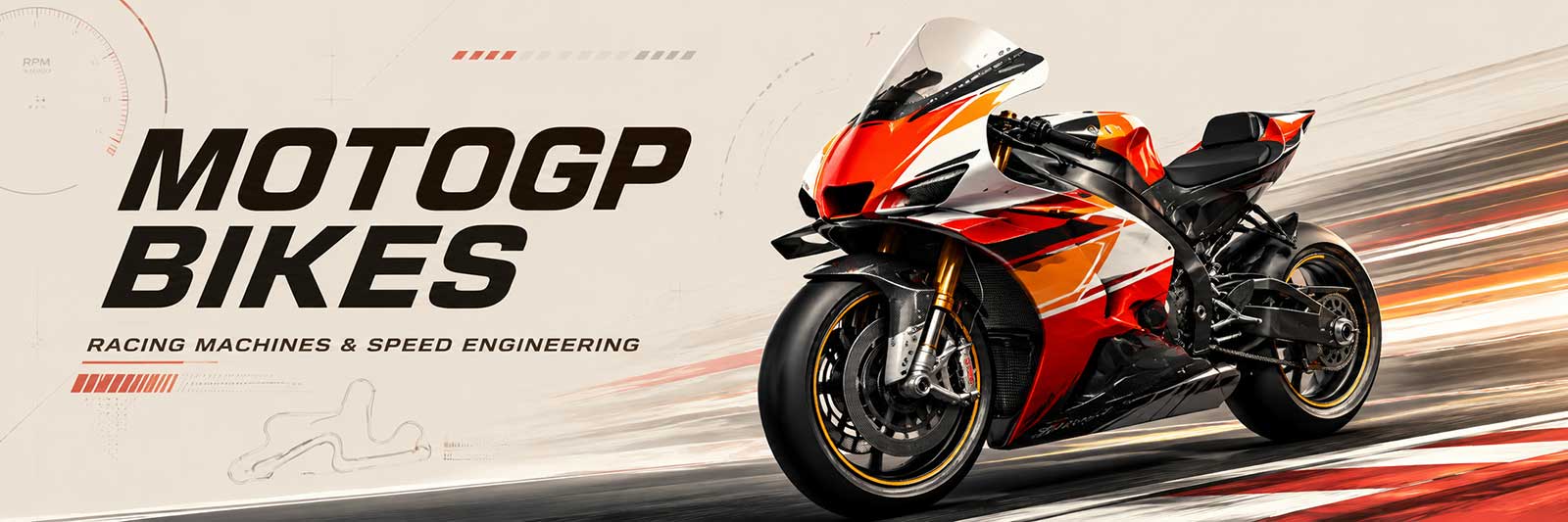
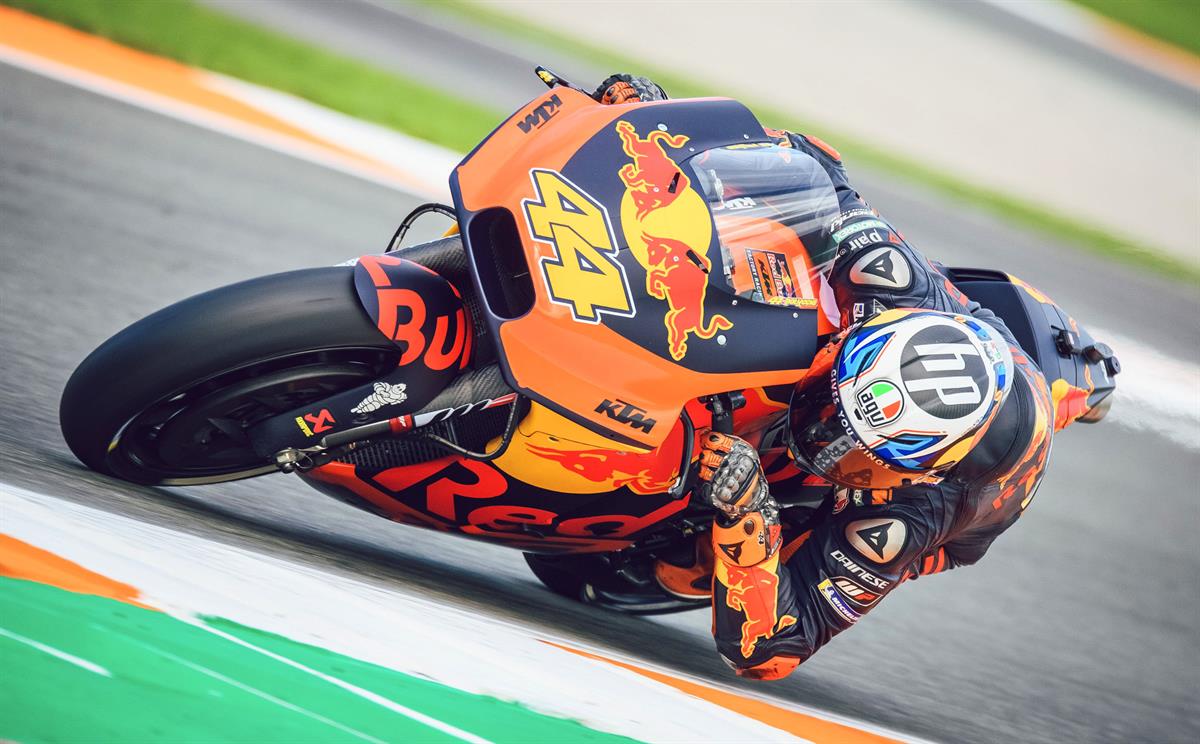
At a glance the RC16 differs from its competitors. KTM publicly revealed the RC16 during test outings in 2016 and kept its V4 identity and tubular‑steel trellis frame visible in public technical coverage. The trellis gives the bike a more open, lattice look in the central chassis area compared with the closed, cast aluminium spar used by many rivals. WP suspension components and KTM bodywork packaging are part of the visible package described by contemporary reports.
Engine layout and drive character
Confirmed technical coverage lists the RC16 as a 4‑cylinder V‑4 with a reported 90° V angle. A V4 architecture in MotoGP allows a compact fore‑aft engine footprint and helps position mass close to the bike centreline, which influences how the chassis can be loaded and steered. The V4 layout is also associated with particular torque delivery and firing patterns that teams tune to suit corner‑exit drive and traction management; contemporary analysis emphasised KTM's engine as a key element of the RC16 project during early development.
Chassis balance and turning feel
KTM chose a tubular‑steel trellis as the RC16's main frame rather than the common twin‑spar aluminium construction. Public technical commentary and retrospectives identify the trellis as a defining trait. A steel trellis can provide a different stiffness distribution and more predictable flex characteristics under load, which designers can use to shape turn‑in and mid‑corner behaviour.
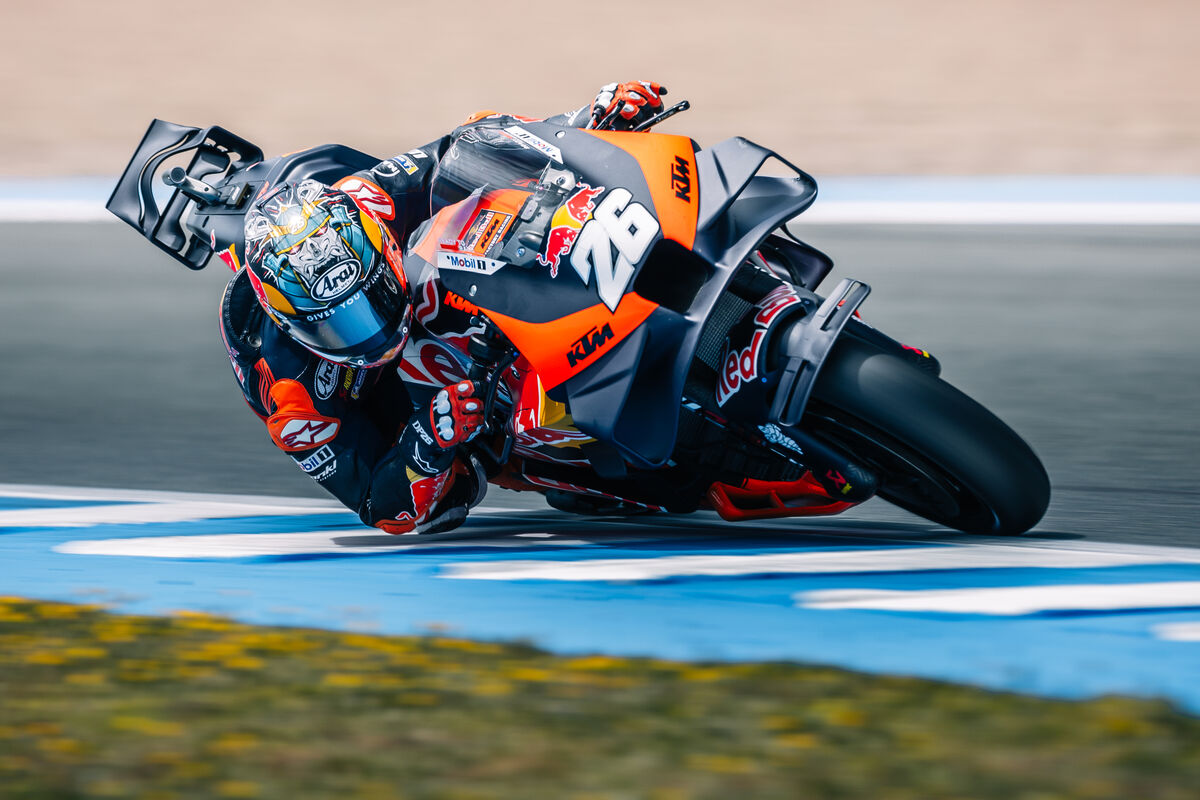
In practice, the trellis logic tends to reward aggressive inputs: a rider who commits weight and steering can feel a chassis that responds with controlled, progressive flex rather than the ultra‑stiff, binary response of some aluminium frames. That does not mean it is inherently softer overall; rather, the structural layout yields a different balance between lateral stiffness and torsional compliance, which influences how the RC16 negotiates direction changes.
Suspension, packaging and support systems
KTM runs WP suspension on the RC16 instead of the Öhlins equipment used by several rivals. Using an in‑house suspension brand gives KTM control over damper characteristics and integration with the trellis chassis behaviour. The combination of trellis frame and WP components has been highlighted in test reports as part of KTM's distinctive setup approach, enabling KTM engineers to tune compliance and feedback to match the engine’s drive character and the team's intended riding style.
Aero, bodywork and packaging
Public documentation and press materials describe the RC16's development through test programmes and reveal cycles. While specific aero geometries change across seasons, the core packaging choice — a compact V4 engine and a trellis frame — directly affects bodywork shape. A tighter engine footprint reduces the space required for lateral fairings and allows KTM to shape airflow around the chassis differently than an inline engine layout would permit; that in turn influences how the team integrates winglets and cooling ducts to balance stability and tyre load.
Electronics and control layer
KTM's official material and contemporary coverage document an ongoing RC16 development programme; while detailed control‑software specifics are not public, the factory's testing and race programme emphasises integrating engine character, chassis response and WP suspension behaviour. Teams tune traction control, engine maps and wheel‑control strategies to harmonise the V4's firing pattern with tyre behaviour and the trellis frame's feedback.
Braking, tyres and track contact
The RC16's architecture has implications for braking and tyre usage. A trellis frame's flex distribution changes how load transfers through the chassis under heavy braking, affecting front tyre contact patch behaviour and rider braking posture. KTM's choice of WP suspension further influences how the front end is managed under initial compression and stability braking phases. Test and press accounts of the RC16 programme underscore that these elements were central to KTM's set‑up work as they prepared the bike for competitive use.
Development path and technical evolution
KTM publicly revealed and tested the RC16 from 2016 and entered full MotoGP competition from 2017. Press releases and KTM technical documents show an iterative development programme extending through subsequent seasons. Over time official materials shift phrasing between 'tubular trellis' and 'steel hybrid' as the team refined chassis components and packaging while maintaining the RC16's core V4 + steel frame identity.
Rider workload and setup demands
The RC16's combined technical choices tend to impose an assertive rider style. A compact V4 engine with a trellis chassis requires riders to work with the bike's specific flex and torque delivery: aggressive steering inputs and precise throttle modulation are rewarded as teams tune electronics and suspension to extract drive. KTM's development focus on integrating WP suspension and the V4 engine suggests the package benefits from active setup adjustments, placing measurable demands on riders during qualifying and race stints.
Closing interpretation
The KTM RC16 MotoGP is best understood as a coherent engineering choice: a 90° V4 power unit married to a tubular‑steel trellis and supported by WP suspension. Those elements are not cosmetic differences but the foundation of a bike that asks for an aggressive, committed style from its riders and a development philosophy that tunes chassis flexibility, suspension response and engine drive together. Public test coverage since 2016 and KTM's own technical releases consistently present the RC16 as a deliberate alternative to the twin‑spar aluminium machines, with tangible consequences for handling, setup and rider workload.
Author: Eric M.