Marc Márquez: Technical Signature and Track Reading That Won Balaton Park
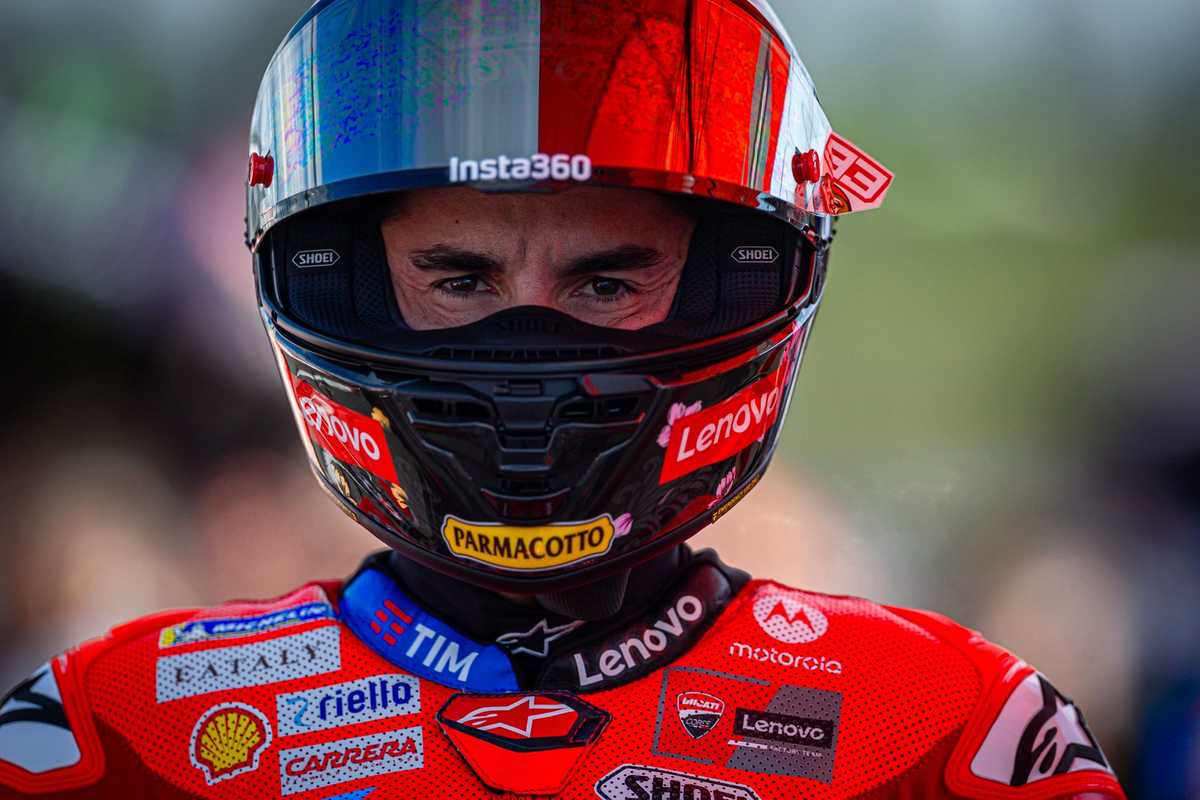
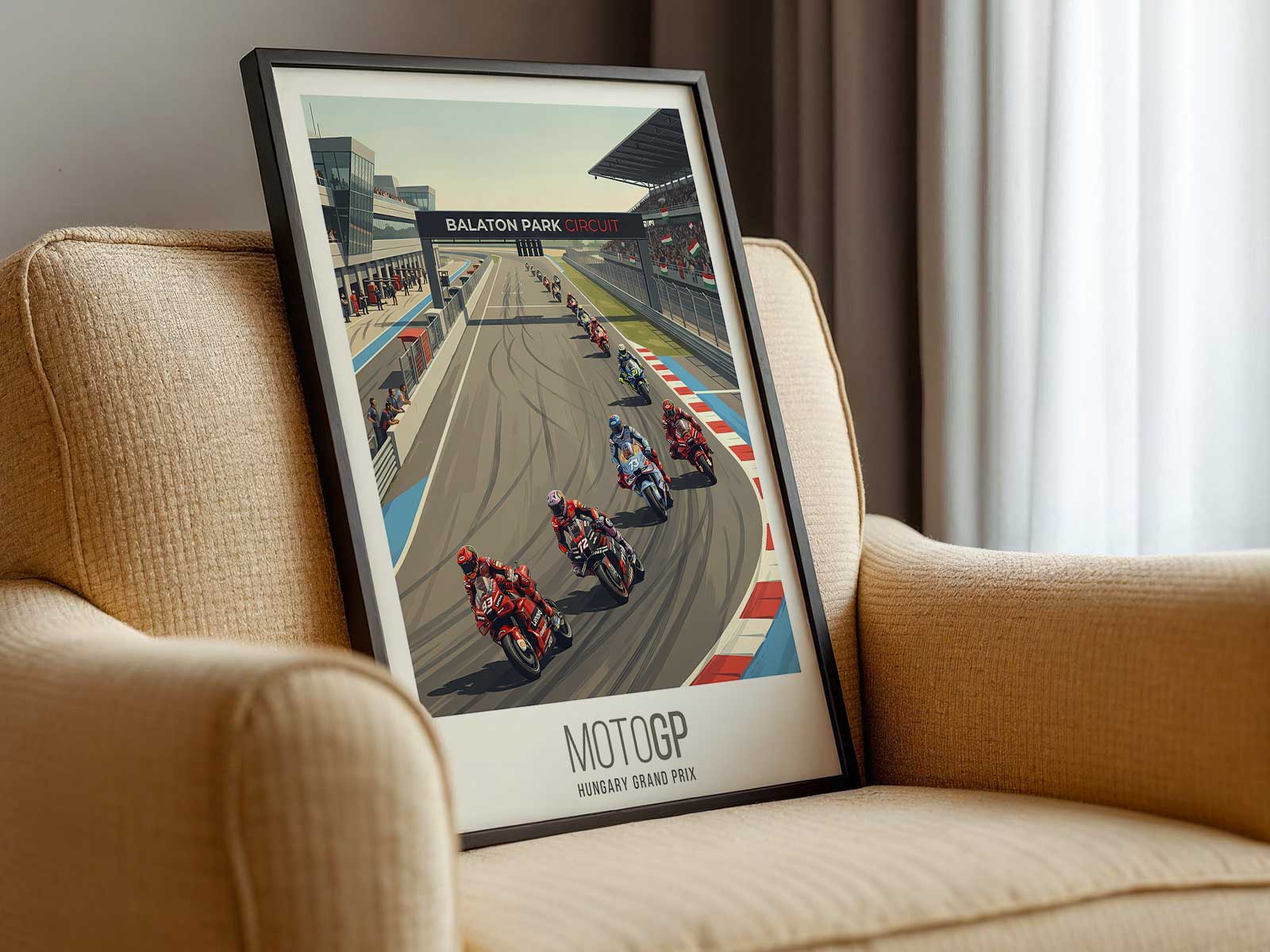
Marc Márquez arrived at the inaugural modern Hungarian Grand Prix at Balaton Park with a clear technical identity and left having underlined it: pole position, a Sprint victory and the full MotoGP race win across the weekend. The combination of characteristic riding traits and a disciplined read of a narrow, single-line circuit explained why Márquez translated raw speed into clean race results at Balaton Park.
Quick summary
Marc Márquez took pole at Balaton Park, won the MotoGP Sprint and won the main race. His win was built on late braking, aggressive trail-braking and a cautious respect for the circuit’s narrow, one-line sections.
FIRST TECHNICAL READING OF THE RIDER
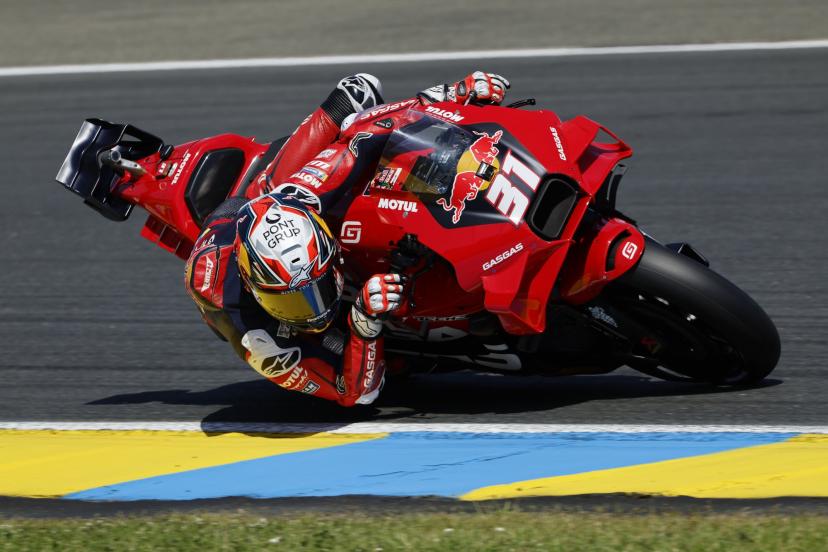
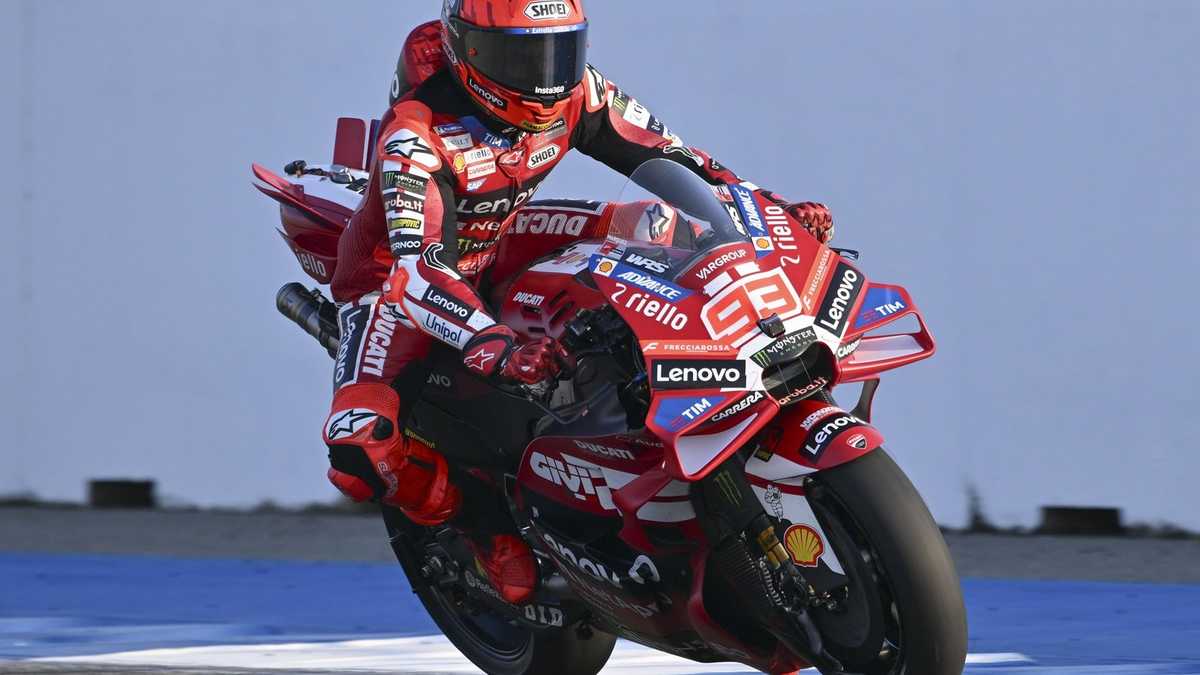
At Balaton Park Márquez presented the riding profile long associated with him in technical coverage: supreme late-braking courage, extreme lean angles and a capacity to use trail-braking to carry momentum. Those traits converted into session leadership in FP1, pole position for the weekend and ultimately race victories across Sprint and the main event.
Crucially, his verbal read of the circuit — noting narrow sections and "only one line" in places — shows how his normal aggressiveness was tempered by a clear risk calculus on a layout that punishes errors.
BRAKING AND CORNER ENTRY
Márquez’s success at Balaton Park leaned heavily on late, committed braking points and confident front-end use. Official reports and technical analysis consistently describe him using hard late braking to gain positions and to control approach speed into tight corners, then modulating the front end through trail-braking to shape the turn.
On a track with tight, narrow sectors the margin for error is small; Márquez combined his late-braking habit with an awareness of single-line constraints, choosing moments to press the envelope and moments to prioritise clean exits over risky passes.
MID-CORNER AND LINE CHOICE
Balaton Park’s single-line stretches make line discipline decisive. Márquez’s mid-corner behaviour at the venue emphasised maintaining a consistent arc under heavy lean rather than chasing alternative lines that could invite contact or force bigger corrections.
That approach—preserve the chosen line through mid-corner, keep the bike settled—fitted the circuit layout and reduced the chance of small mistakes becoming race-ending incidents on a narrow track.
EXIT TRACTION AND TYRE MANAGEMENT
While weekend reports do not record tyre wear specifics, Márquez’s race wins in both Sprint and the full Grand Prix imply effective management of traction on corner exits. Using trail-braking to smooth transitions and controlled throttle roll helped him maximise drive out of Balaton Park’s tighter turns without overworking the rear in a way that would invite slides or degraded lap times.
That measured exit strategy matters more than raw aggression on a circuit where a compromised exit can quickly cost a position and place a rider onto the wrong part of the single racing line.
RACECRAFT AND DUEL INTELLIGENCE
Márquez’s weekend shows a blend of attack and restraint. His Sprint victory and the main race win indicate he knew when to capitalise on braking strengths and when to avoid risky moves in narrow sections. Reporting from the event highlights his tactical choice to balance aggression with caution, reflecting his public comments about the track’s hazard points.
That duel intelligence—pick the battles you can win cleanly, avoid high-risk attempts where the circuit offers limited escape routes—was central to converting pace into podium results at Balaton Park.
ADAPTATION TO BIKE AND CIRCUIT
Márquez has been documented over time as a rider who adapts his style to different machines and contexts. At Balaton Park he married his signature techniques to a setup and strategy that respected the track’s narrowness: push late braking and trail-braking where safe, but accept a single-lane reality in the most constricted sectors.
That adaptive judgement—knowing when his usual extremes could be applied and when the circuit demanded scaled-back risk—was a measurable part of his Balaton Park weekend success.
CLOSING INTERPRETATION
Balaton Park was a technical test: a new, narrow circuit where precision mattered above all. Marc Márquez translated his well-known late-braking, trail-braking toolkit into clean, repeatable performance by combining aggression with an informed reading of the track’s one-line constraints. The results—pole, the Sprint win and the full race victory—are factual markers that his riding identity remains effective when allied to disciplined risk management.
Author: Eric M.