Ducati Panigale MotoGP: tracing the Desmosedici lineage and the strict split…
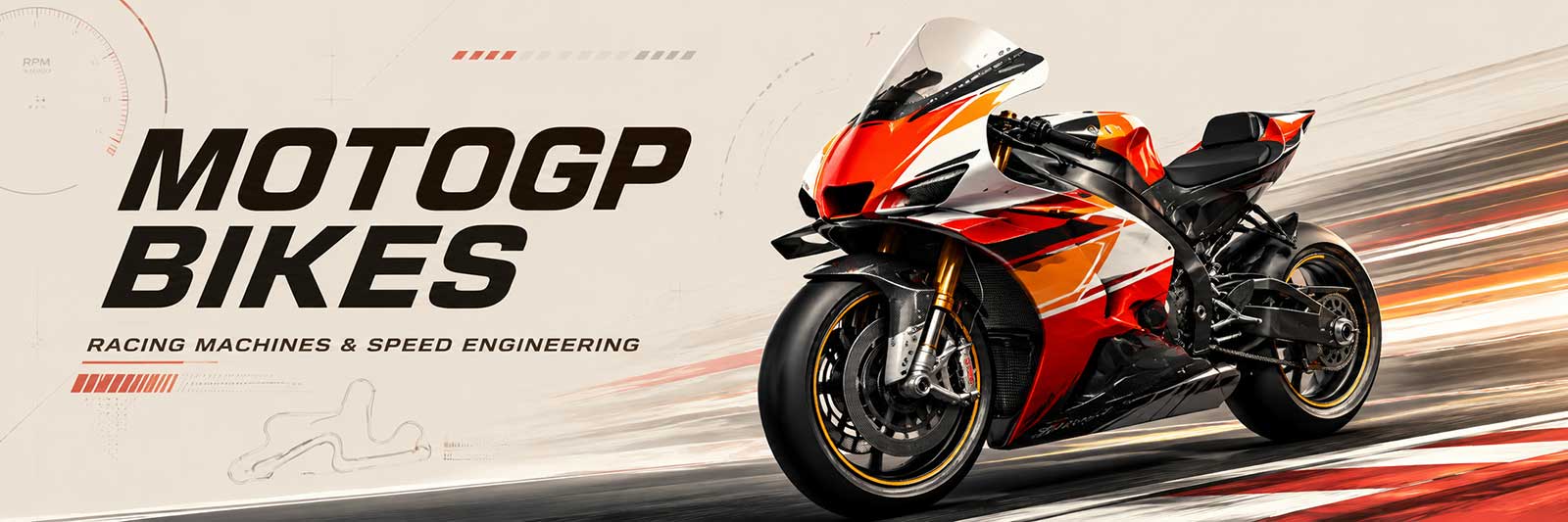
The story of Ducati's Desmosedici in MotoGP is a project-led history: a purpose-built prototype lineage that began as an in-house effort and evolved under rules that strictly separate Grand Prix machinery from production models. This article follows that trajectory and explains how Ducati's Desmosedici prototypes sit apart from the Panigale series despite shared names and inspiration.
Summary
Ducati’s Desmosedici began as a MotoGP prototype project developed from 2001 and debuted in the world championship in 2003. Though Ducati later offered a limited road replica, MotoGP prototypes and Panigale production V4s remain distinct by regulation and engineering.
Reader preview
- Origins of the Desmosedici MotoGP project and its 2003 debut
- How limited road replicas differ from continuous MotoGP development
- Why Panigale V4s and Desmosedici prototypes are separated by rules and engineering
Quick access
ORIGINS OF THE PROJECT
The Desmosedici MotoGP project started as a dedicated effort inside Ducati to build a full Grand Prix prototype. Design work began in 2001 in response to the category’s evolving rules and the creation of the MotoGP class. That development program led to the debut of a Desmosedici prototype in the MotoGP World Championship in 2003. From its inception the intent was clear: produce a bespoke racing motorcycle built to Grand Prix specifications rather than adapt a production machine.
EARLY IDENTITY
From the outset, the Desmosedici line was defined by its prototype status. Unlike machines in production-based series, these bikes were conceived and engineered as racing prototypes for the specific demands of MotoGP competition. The project adopted Ducati’s desmodromic valve tradition in name and concept, reinforcing the link between Ducati’s engineering heritage and its new GP project while keeping the machine firmly within prototype practice.
FIRST BREAKTHROUGHS OR EARLY LIMITS
Early seasons for a new factory prototype are rarely simple; the focus is on establishing a mechanical and aerodynamic baseline and learning how the bike behaves under race conditions. The Desmosedici programme followed that development logic: incremental gains in handling and power delivery were pursued through continuous factory work rather than production-model upgrades. The project’s progress was therefore a factory-managed evolution of a prototype platform rather than a series of production-adapted revisions.
DESMOSEDICI RR AND ROAD REPLICAS
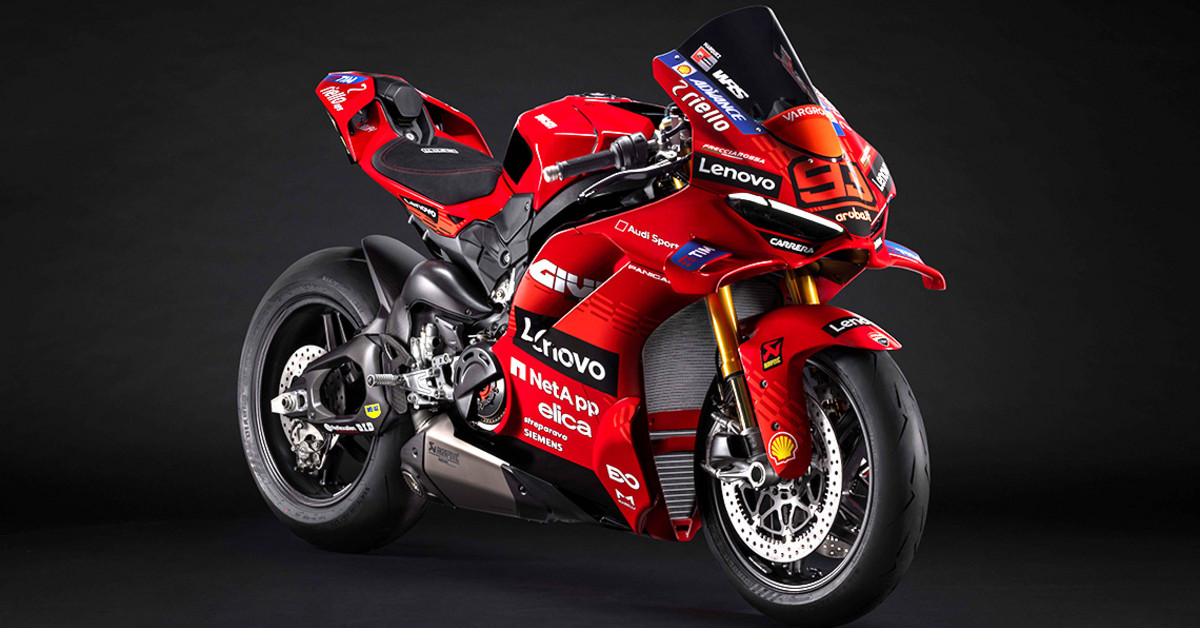
In the mid-2000s Ducati produced a limited-run road-legal machine called the Desmosedici RR. Presented as a racing replica for collectors and enthusiasts, the RR was a homologated street bike offered in very small numbers. Ducati’s own heritage material and subsequent coverage make a clear distinction: the RR was a rare, road-legal homage to the MotoGP bike, not a continuation of the factory’s prototype programme. The RR therefore serves as an exception — a controlled, limited translation of the Desmosedici aesthetic and name into a production context, distinct from the ongoing Grand Prix development effort.
TECHNOLOGICAL AND REGULATORY BOUNDARY
One of the most important facts about this story is the strict separation codified by the rules. FIM Grand Prix technical regulations require prototype chassis and broadly prohibit motorcycles derived from series production models from entering MotoGP. Official explanations from MotoGP and FIM make explicit that Grand Prix machines are full prototypes, while series like WorldSBK use modified road-legal motorcycles. That regulatory divide forces a clear technological boundary: MotoGP Desmosedici prototypes are engineered to freedoms and constraints that do not apply to production motorcycles.
PANIGALE V4 AND DESMOSEDICI STRADALE: NAME AND INSPIRATION
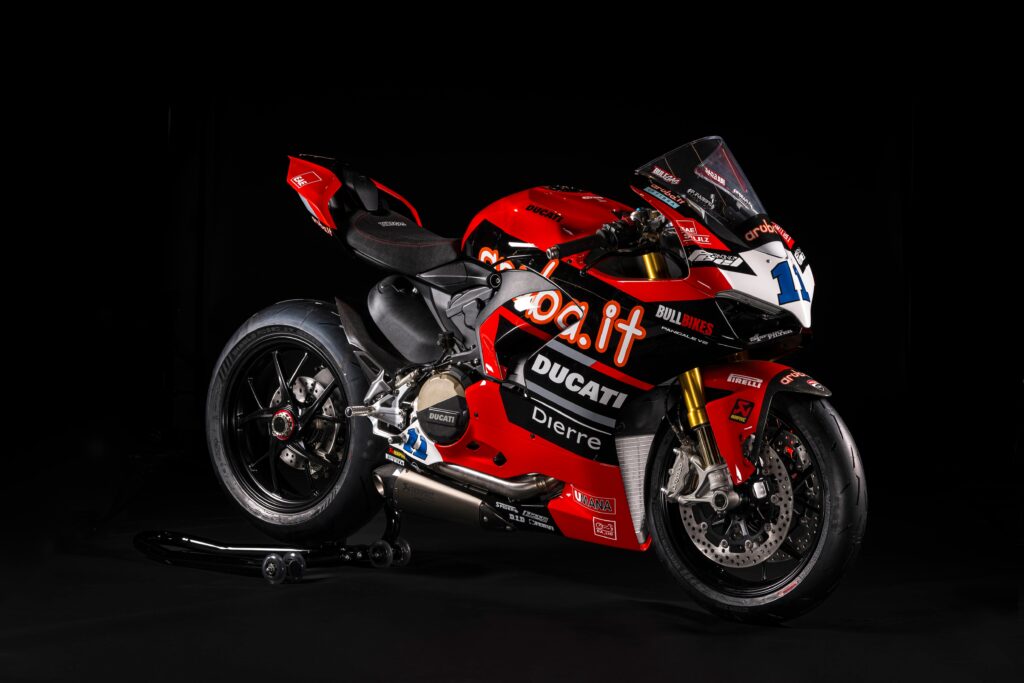
Ducati’s later road V4 engines, marketed with names referencing 'Desmosedici Stradale' and used in Panigale V4 production motorcycles, draw inspiration and naming from the MotoGP engines. Verified technical material shows that those production V4 units are engineered and homologated for road use with different displacement, components and compliance requirements. In short, the road Desmosedici Stradale and Panigale V4 are production-engineered descendants in spirit and branding, but they are not technical continuations of the MotoGP prototypes. The naming links heritage and marketing while respecting the engineering and regulatory divide.
THE BIKE IN THE WIDER MOTOGP CONTEXT
The Desmosedici project illustrates a wider truth about MotoGP: manufacturers build purpose-driven prototypes tailored to the championship’s technical framework. Ducati’s approach was to create and iterate a bespoke GP platform rather than try to adapt a road bike to prototype rules. That approach is consistent with the category’s intent and underlines why MotoGP development paths look different from those in production-derived series.
WHAT ITS HISTORY NOW MEANS
Seen chronologically, the Desmosedici story is a factory-led journey from design work in 2001 to a 2003 MotoGP debut, followed by continuous prototype development. The limited Desmosedici RR offered a bridge to road enthusiasts but did not collapse the separation between prototype and production. The later use of Desmosedici-inspired names on road V4 engines reflects heritage, not technical equivalence. Ultimately, the line between Desmosedici prototypes and Panigale production bikes is deliberate: a regulatory and engineering firewall that preserves MotoGP as the arena for pure prototype innovation while allowing Ducati to celebrate that legacy in road-legal form.
Author: Alex R.