Aprilia MotoGP: Ground-Effect Aerodynamics and the Rise of a New Technical…
Aprilia's MotoGP programme has quietly become one of the paddock's most interesting engineering stories. Beyond headline results, the factory's work on aerodynamic packaging — notably a persistent shift toward ground-effect thinking — shows a methodical effort to raise technical standards rather than chase short-term gains.
Summary
This article examines why Aprilia's MotoGP project matters technically: the shift in aerodynamic priorities toward underbody and flow management, how packaging choices supported that direction, and the engineering habits that turned incremental ideas into competitive advantages.
Quick preview
- How ground-effect thinking reoriented fairing and chassis packaging.
- The interaction between engine layout, cooling and aero targets.
- Which design patterns from Aprilia influenced rivals and why they endured.
Quick access
Author: Cynthia D.
What made the bike technically interesting
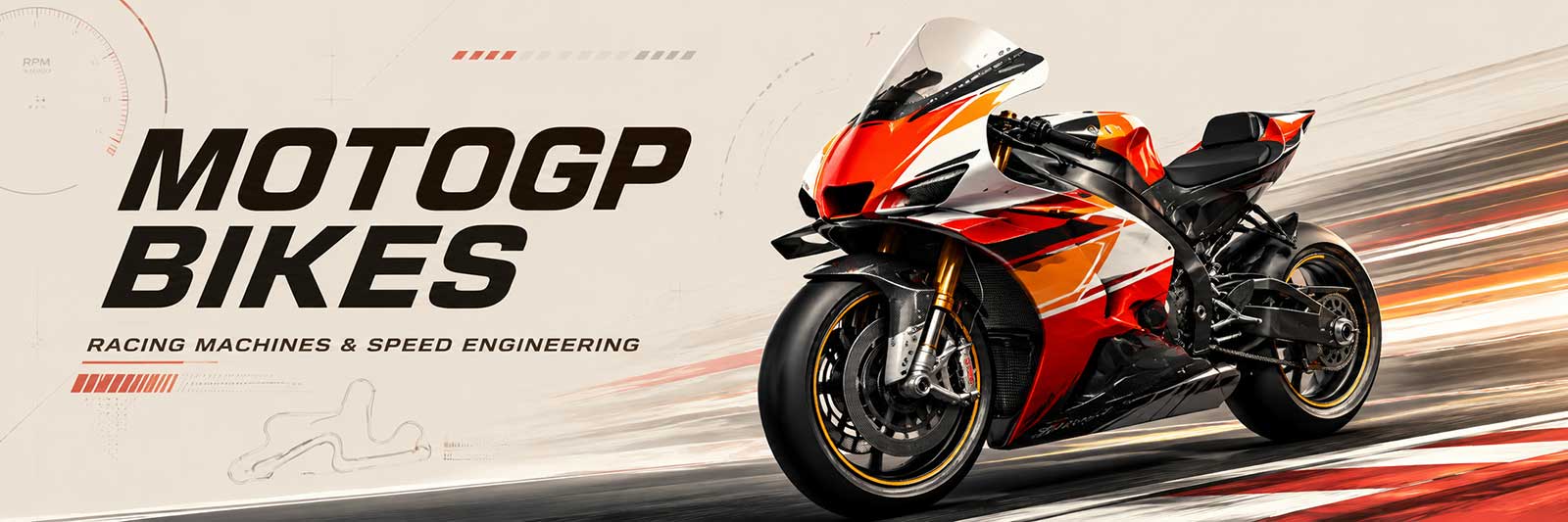
Aprilia's significance in modern MotoGP is not a single headline innovation but a coherent set of decisions that re-prioritised where aerodynamic performance was found on the bike. Instead of relying solely on outboard winglets and surface-mounted aero devices, the project emphasised managing flow around the lower body, the rider-pack, and the junctions where chassis, engine and fairing meet. This is best described as a shift toward ground-effect and flow-conditioning thinking: controlling the underbody pressure field and wake to produce usable downforce without destabilising aerodynamic peaks.
Powertrain or engineering identity
Aprilia's engine architecture influenced its aerodynamic ambitions. The V4 layout, compact cylinder bank arrangement and focused packaging allowed engineers to sculpt the rear section of the machine tightly. That compactness served two purposes: it reduced frontal area and created space to route exhaust and heat-management systems away from the primary airflow paths, which is critical when trying to preserve clean underbody flow. In practice, this meant the powertrain and its ancillaries were treated as integral aerodynamic components rather than isolated mechanical systems.
Chassis and mechanical direction
The chassis choices reflect a balance between stiffness and the need for predictable weight transfer under aero load. Aprilia's frame and swingarm geometry were tuned to work with aero loads that grew progressively across a lap: turn-in, mid-corner and exit. Rather than chase the absolute lightest structure, the engineers optimized for a stiffness envelope that complemented aero-derived downforce, avoiding harsh transient responses when aerodynamic forces varied with yaw and lean. That packaging also made it easier to integrate cooling ducts and to keep mass centrally located — an engineering direction aligned to maintaining rider feel as aerodynamic interventions increased.
Aerodynamics and bodywork thinking
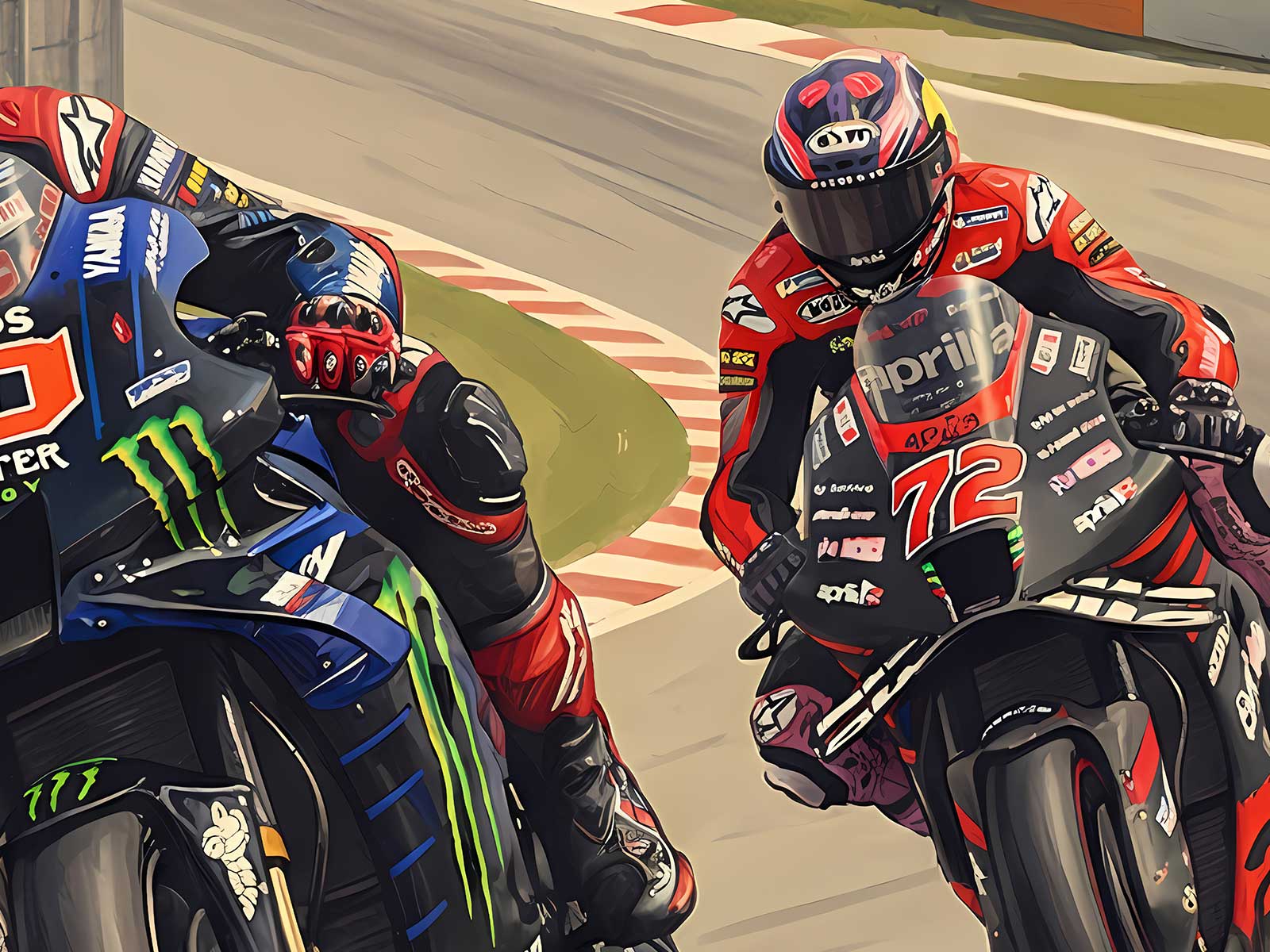
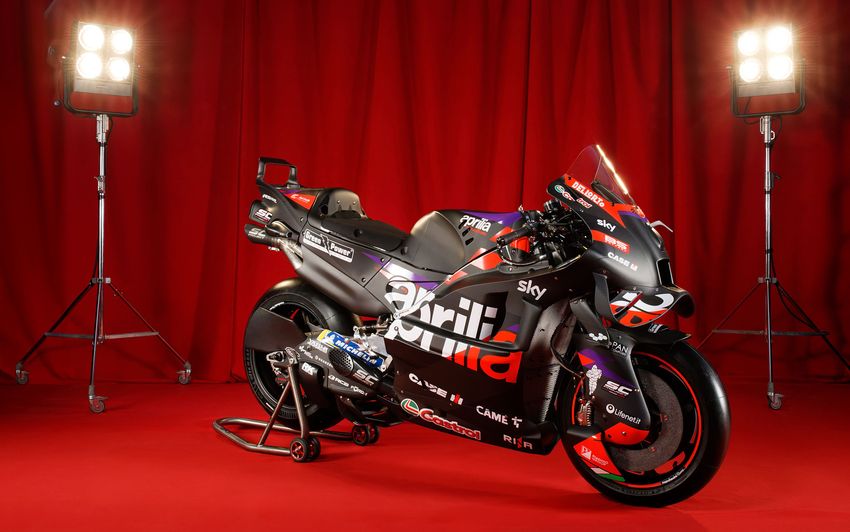
Aerodynamics is the clearest axis of Aprilia's contribution. The factory's approach emphasised three linked ideas: controlling the pressure field beneath the fairing, shaping the wake behind the rider, and using bodywork to stabilise but not overwhelm chassis feedback. Practically, this translated into smoother lower fairings, tight engine covers, and carefully profiled belly pans that encourage attached flow under the frame. Winglets and hand-fairing devices were used, but as complements to the primary underbody goal rather than substitutes. In effect, Aprilia treated the bike's lower volume as an aerodynamic wing — an approach that reduces sensitivity to crosswinds and rider movements while producing consistent downforce throughout the cornering window.
Control systems and electronic layer
As aerodynamics introduced larger and more consistent loads, electronics became part of the machine's identity. Traction control, engine braking maps and launch/traction strategies were tuned to the aero behaviour: mapping throttle response to maintain usable grip when aero downforce increased at speed, and softening interventions when aero decreased in slow-speed sections. This integration is less about flashy software features and more about calibration discipline — using the ECU and rider aids to make the aerodynamic gains rideable across the diverse conditions of a race weekend.
Development culture and factory direction
What set Aprilia apart was the project culture: a willingness to iterate bodywork and packaging across seasons and to prioritise aero testing early in the cycle. The factory invested in wind-tunnel correlation and track validation, treating rider feedback and aero data as co-equal inputs. That engineering habit — systematic, patient validation of aero concepts rather than one-off gimmicks — allowed the team to refine solutions that worked on different tracks and with varying rider styles. It’s an engineering direction that rewarded steady refinement over headline-grabbing prototypes.
Which ideas lasted
Several concepts from Aprilia's programme proved durable. Compact packaging that respects airflow continuity became a clearer industry trend: rivals tightened rear sections and paid more attention to underbody flow. The integration of engine ancillaries into the aero conversation also stuck — cooling and exhaust routing began to be designed with flow control as a primary constraint rather than an afterthought. Finally, the calibration discipline linking electronics to aero loads is now a standard expectation: teams now plan software maps with aero states in mind rather than treating aero and electronics separately.
Why its innovation story still matters
Aprilia's technical contribution is best read as a nudge in the paddock's collective design logic. By treating underbody aerodynamics, tight packaging and calibration discipline as a coherent system, the factory demonstrated a practical route to performance that emphasises stability and usability as much as peak numbers. For engineers and technically curious fans, the lesson is clear: sustainable gains in MotoGP often come from aligning mechanical architecture, aero philosophy and control systems rather than pursuing isolated technical miracles.
In short, Aprilia's MotoGP work reframed where competitive aero could be found on a racing motorcycle. Its emphasis on ground-effect thinking, packaging integrity and measured development culture offers a template for teams seeking dependable, track-transferrable performance — a quiet but influential technical standard in modern MotoGP.