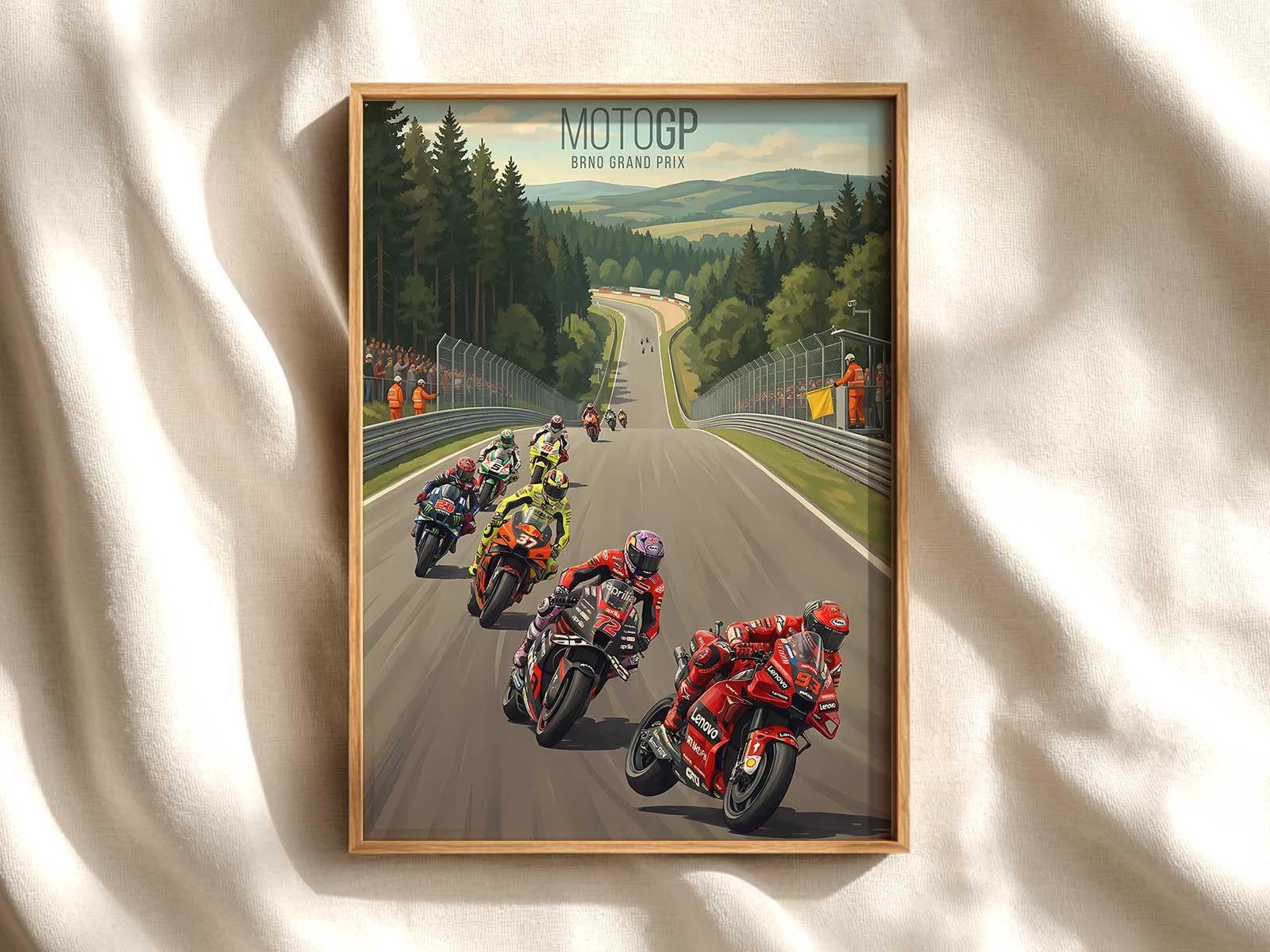
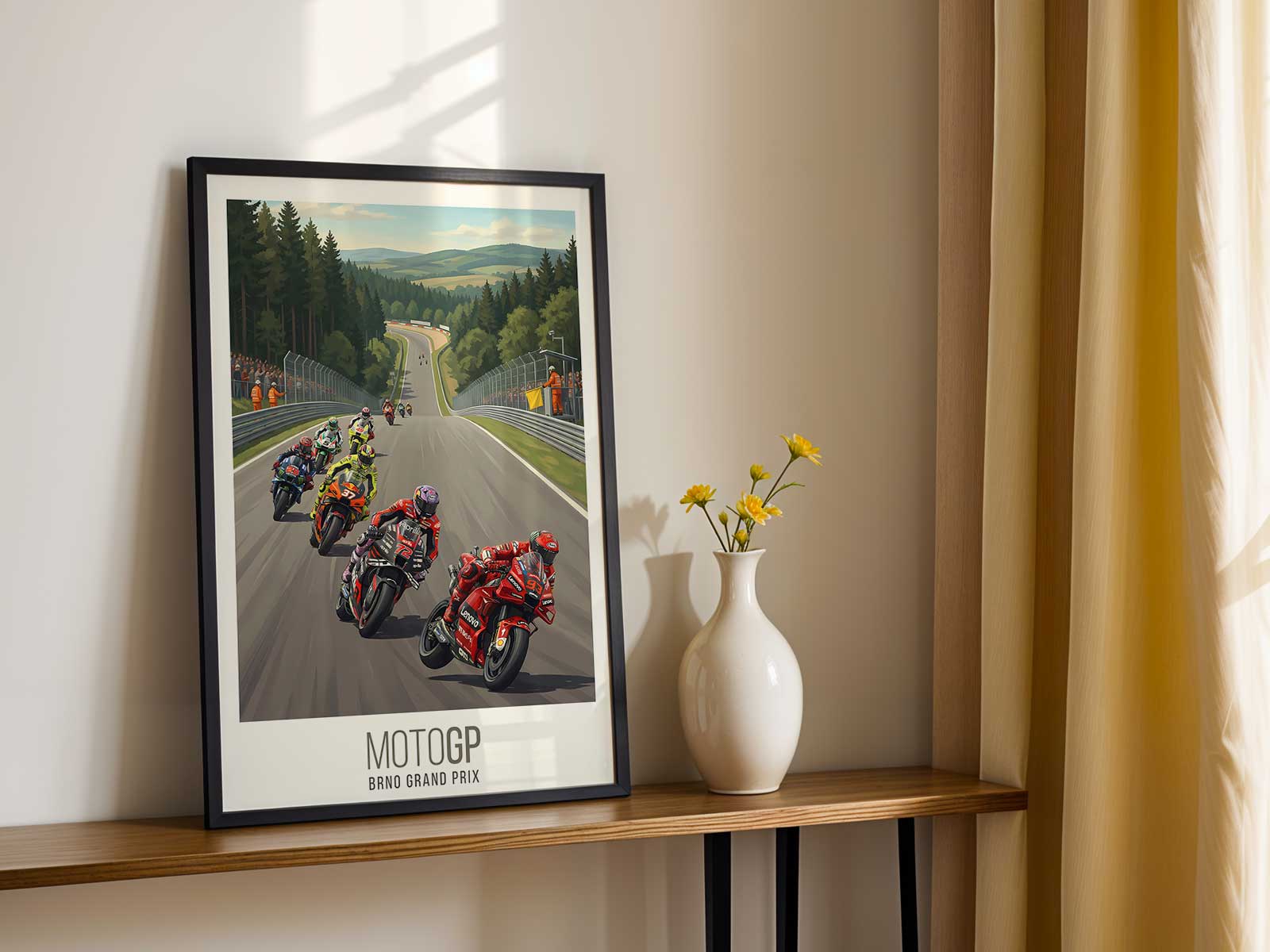
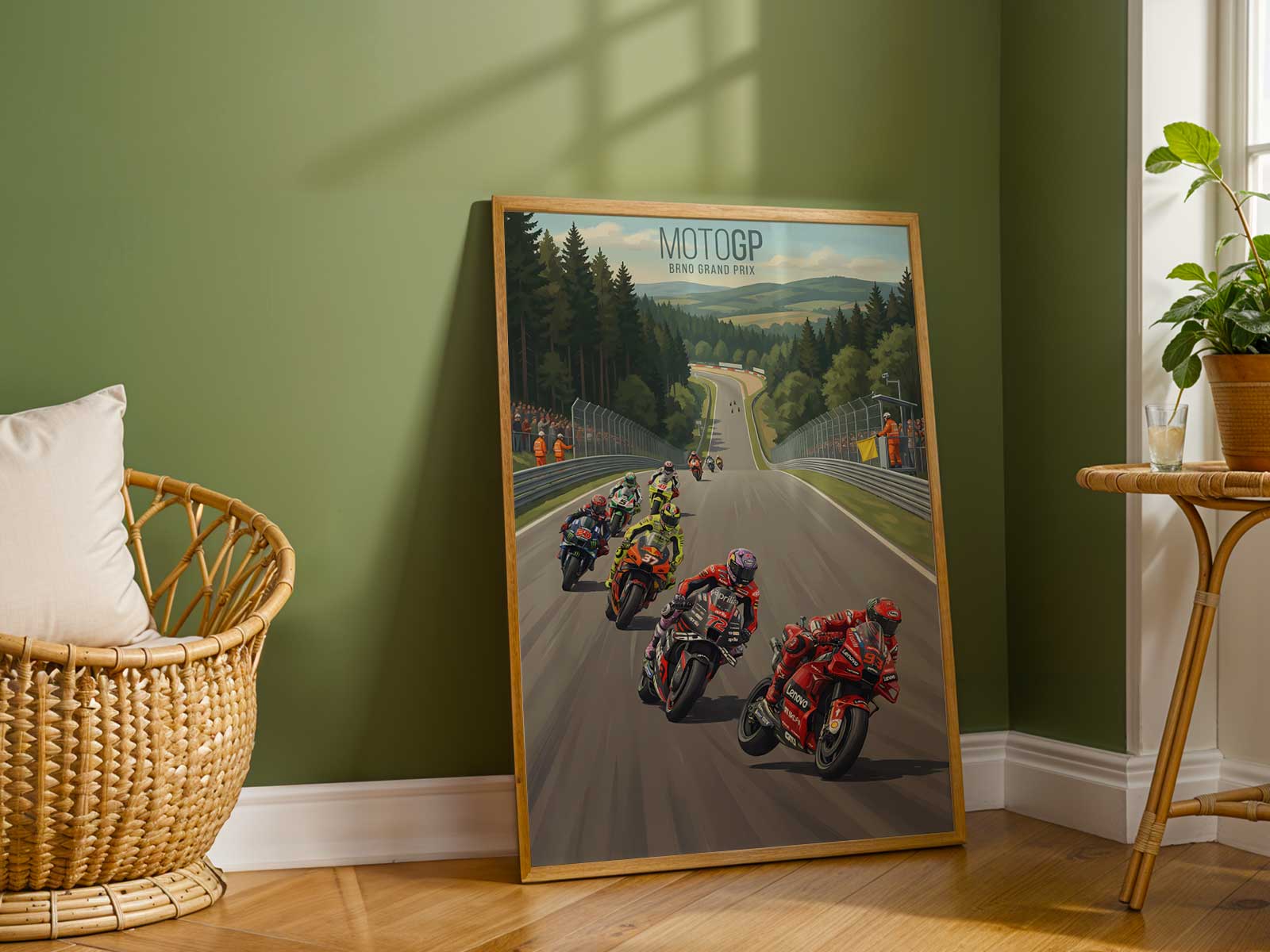
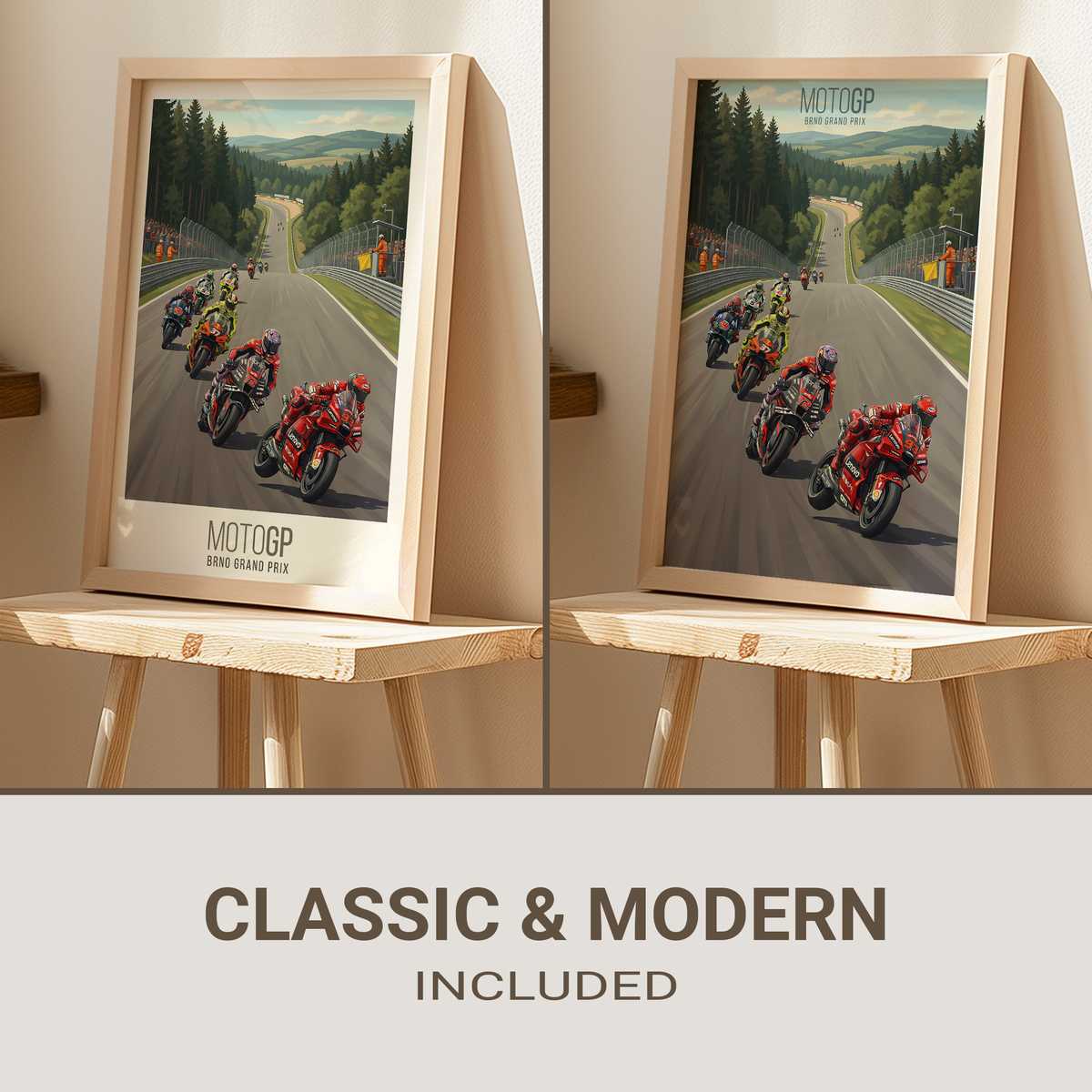
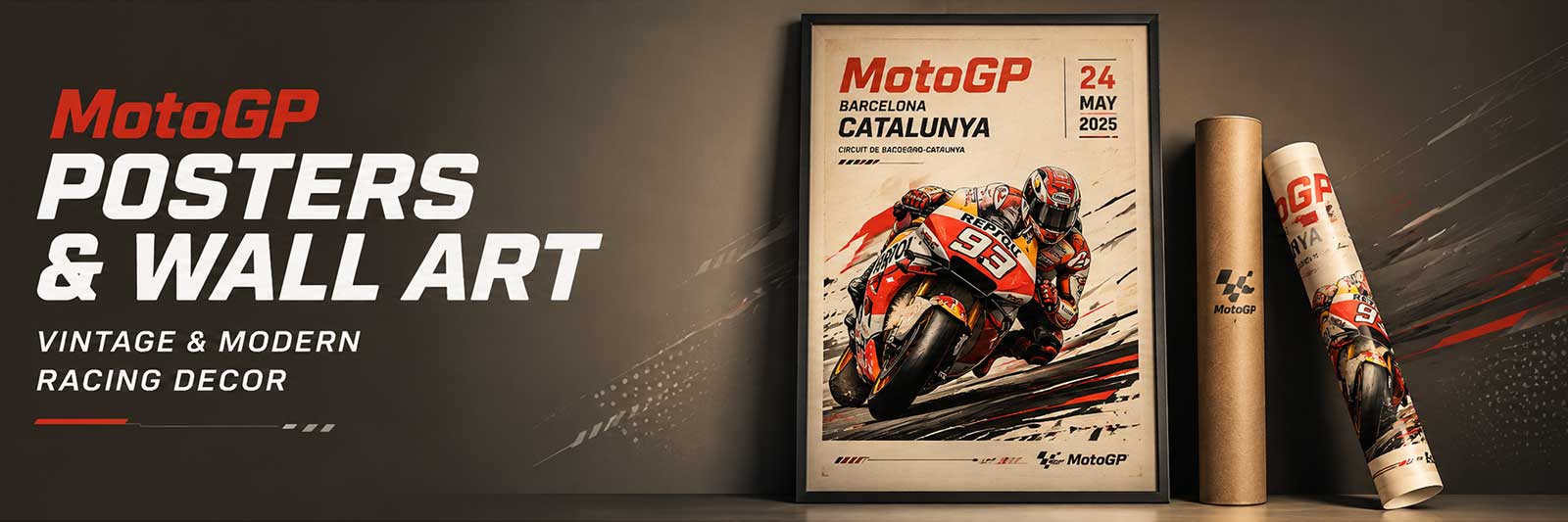
You truly understand what motogp ktm represents at that very precise moment—mid-corner, leaned deep into a long, fast turn—where grip starts to feel almost fragile. At Brno, through the flowing section of high-speed curves,
the motorcycle seems suspended between pure speed and the edge of traction. The rider adjusts everything millimeter by millimeter, body shifted to the inside, while the rear wheel constantly searches for balance.
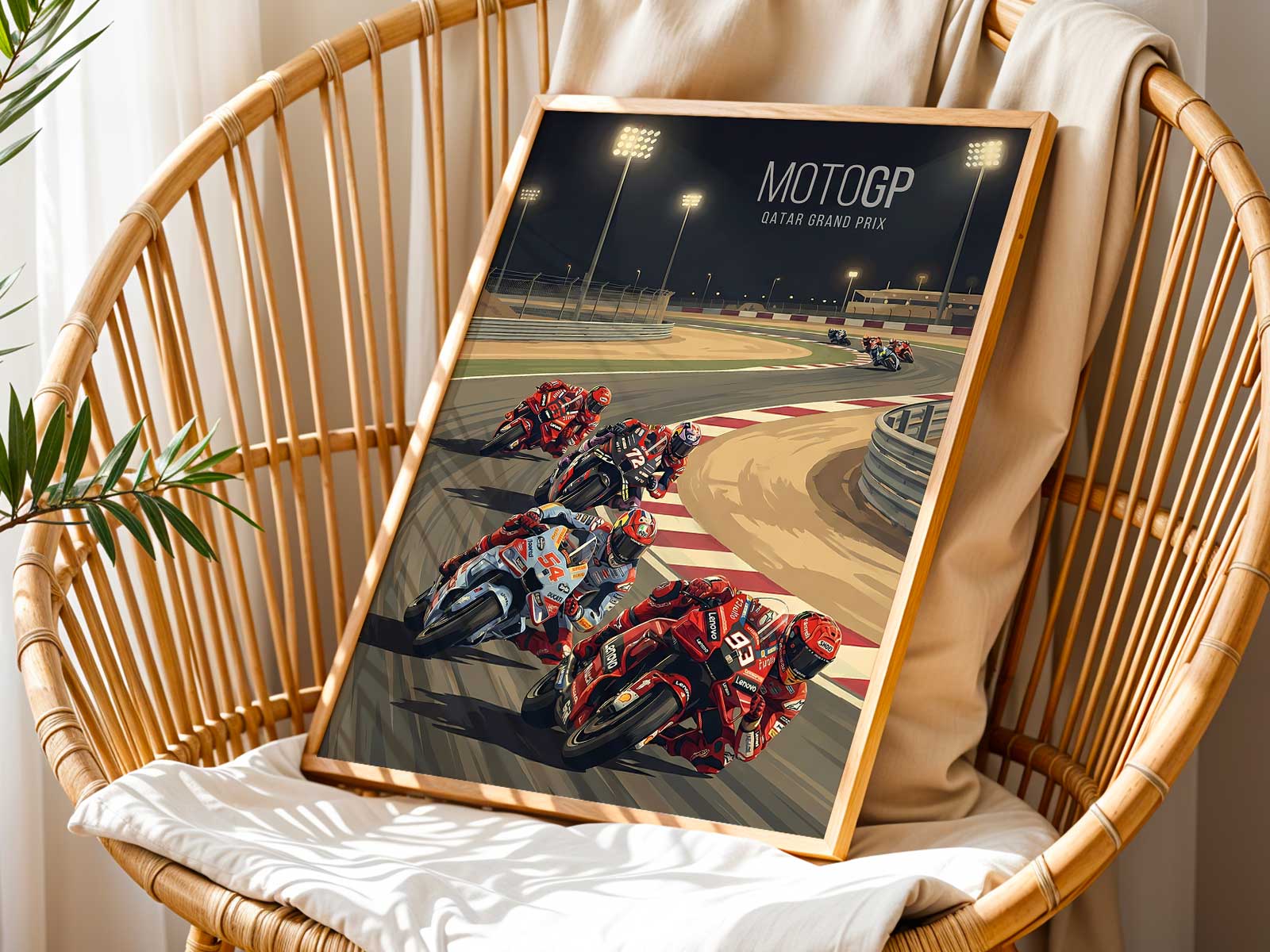
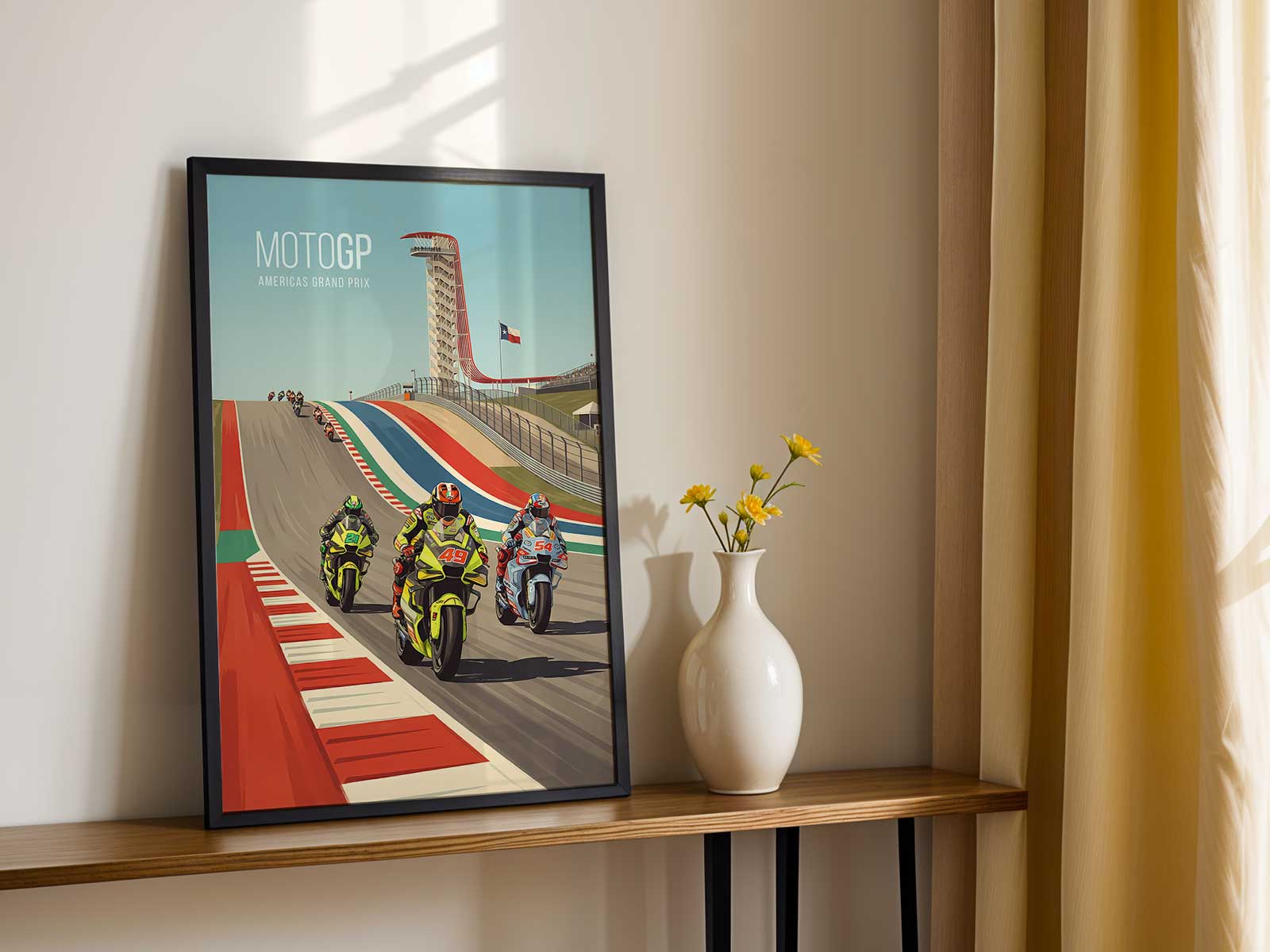
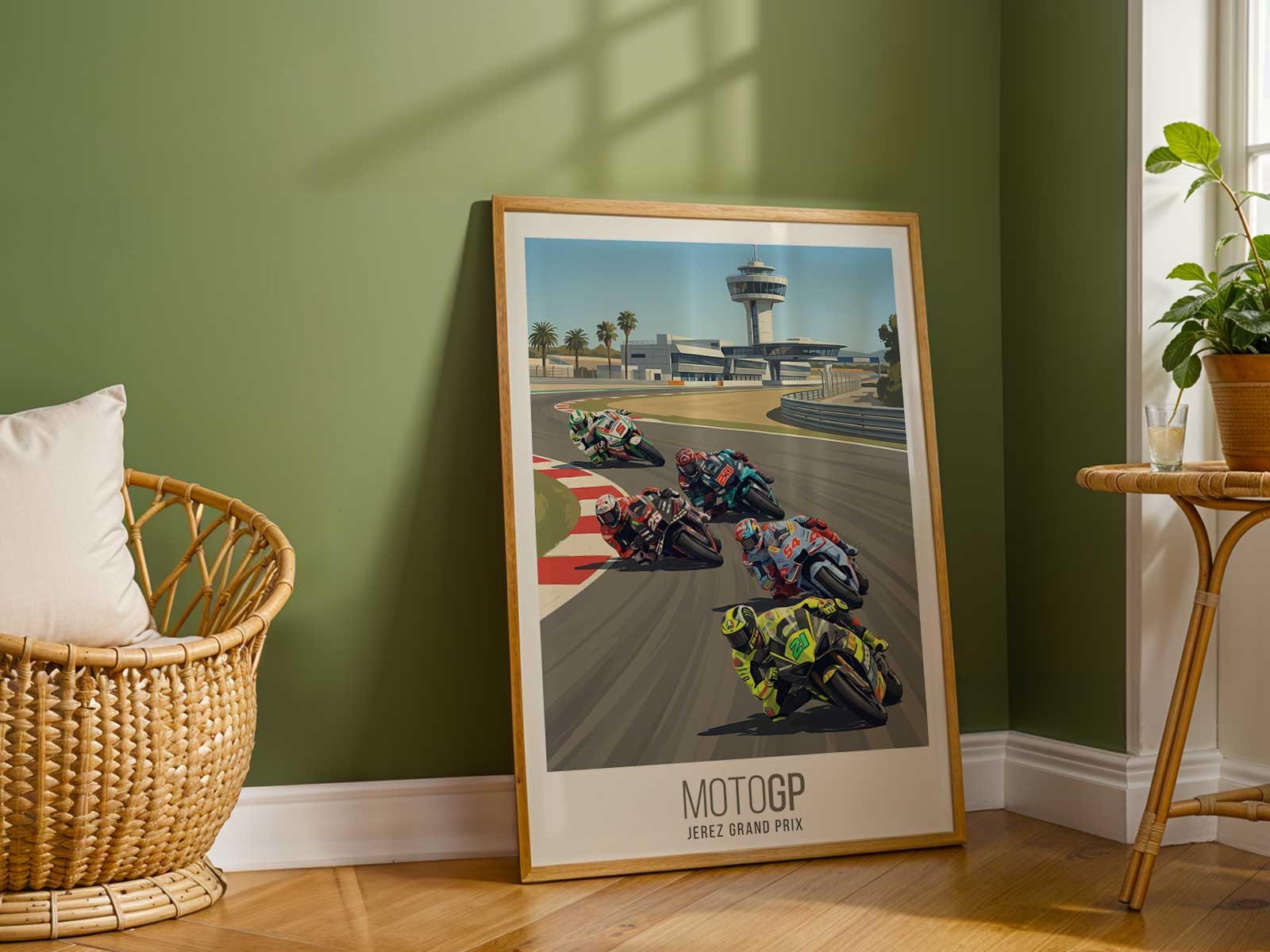
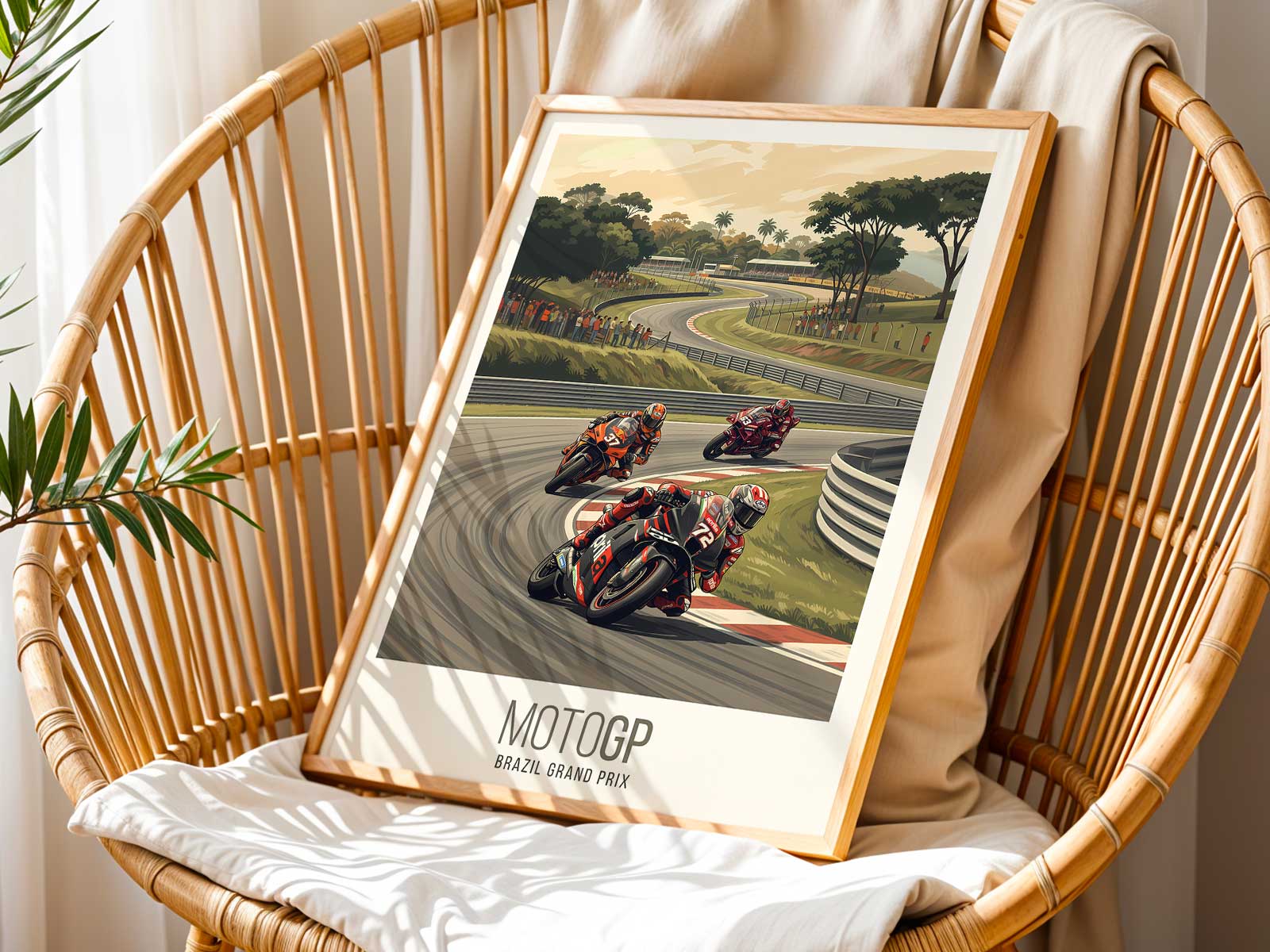
It’s a brief yet decisive instant, often invisible to spectators, but essential in a high-level race. Visually, the scene leaves a lasting impression. The KTM’s line—tight, almost graphic—stands out against the asphalt of the track. The bike doesn’t feel like it’s accelerating, but rather gliding in full control. There’s a calm tension, a kind of silence despite the speed. In a racing scene, everything seems frozen for a split second, as if time slows down right at the point where the tire meets the surface. In a championship, this level of mastery often makes the difference. It’s not about raw power, but about reading the circuit, understanding grip, and above all, anticipating what comes next.
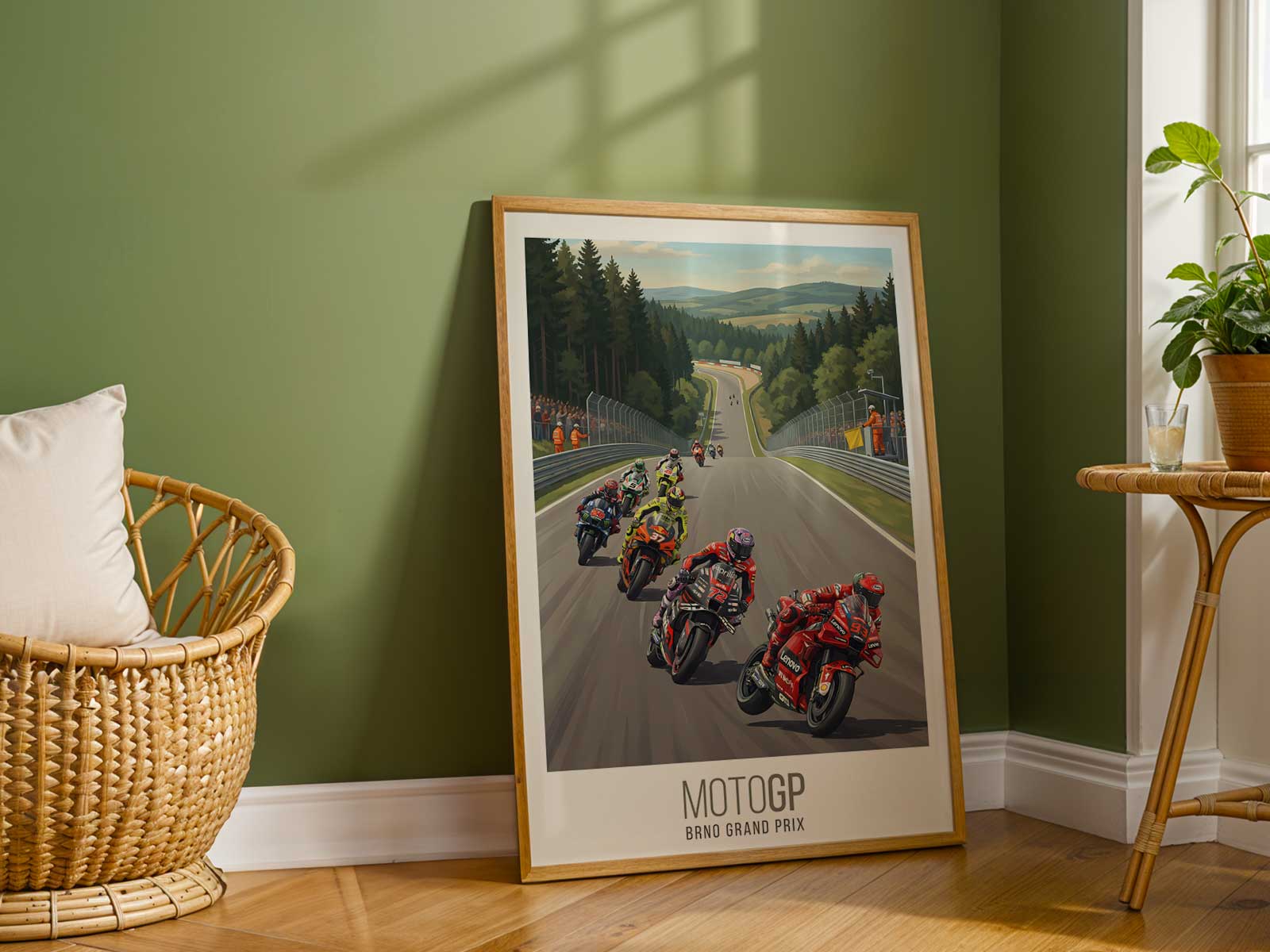
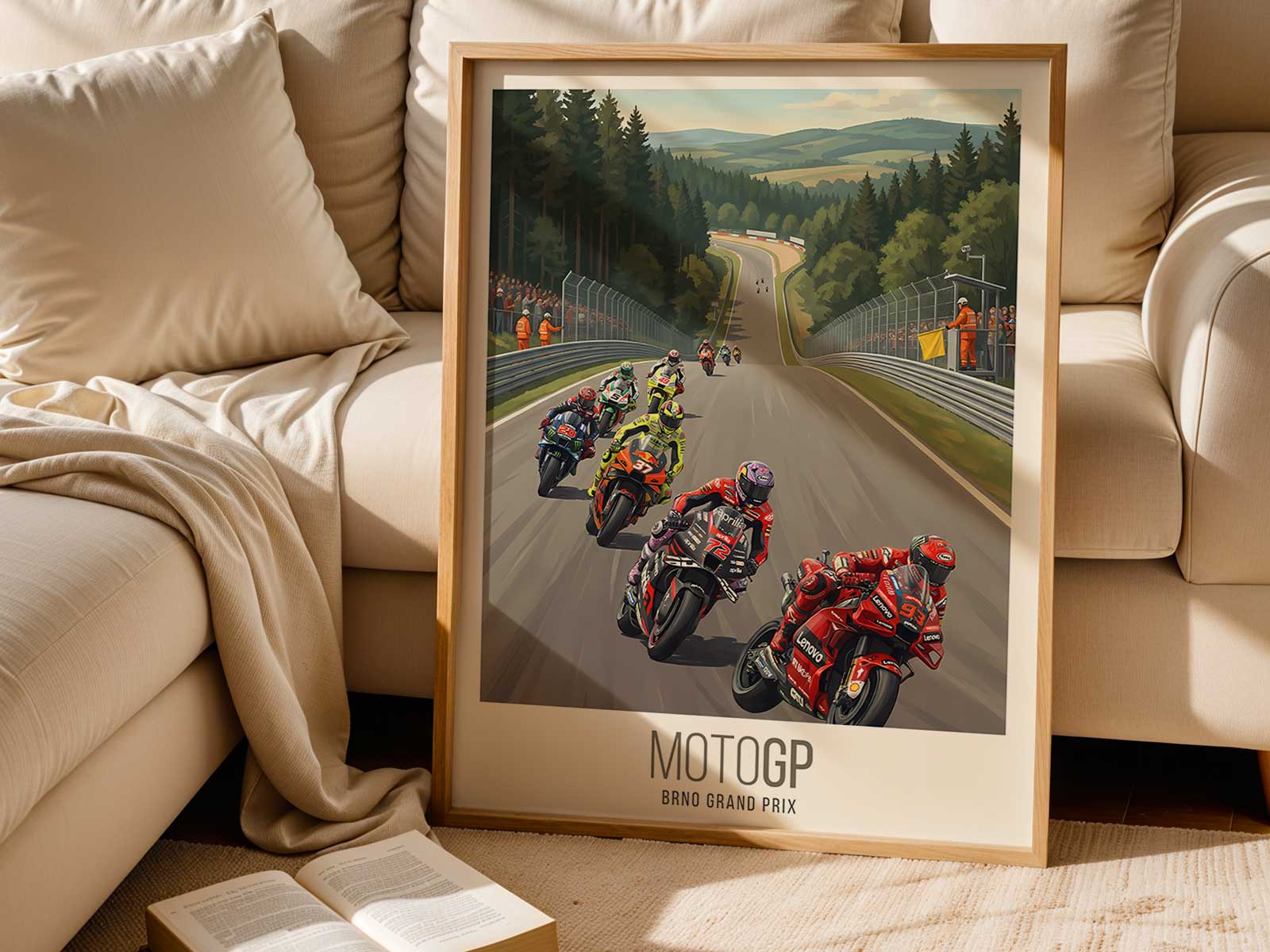
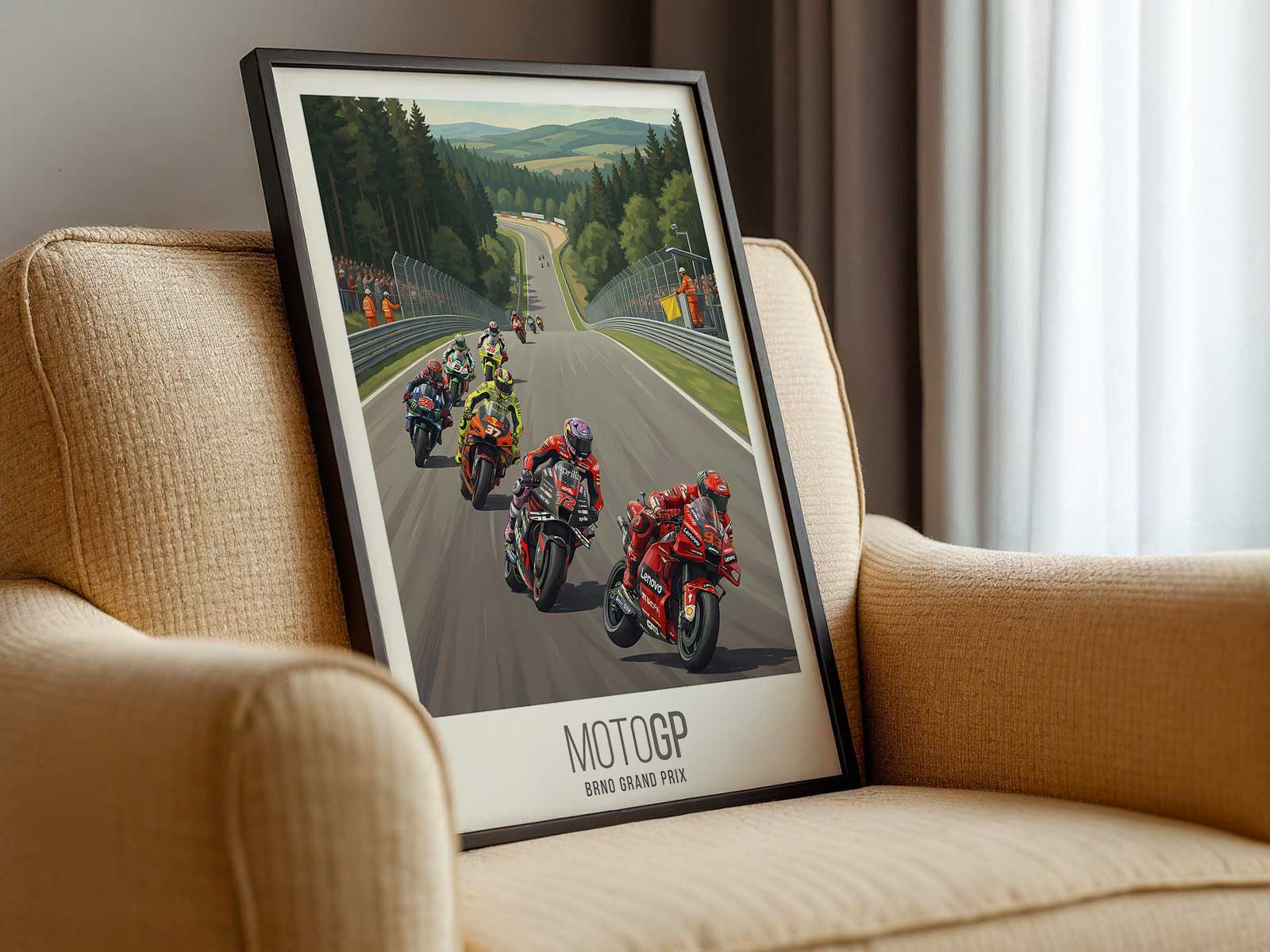
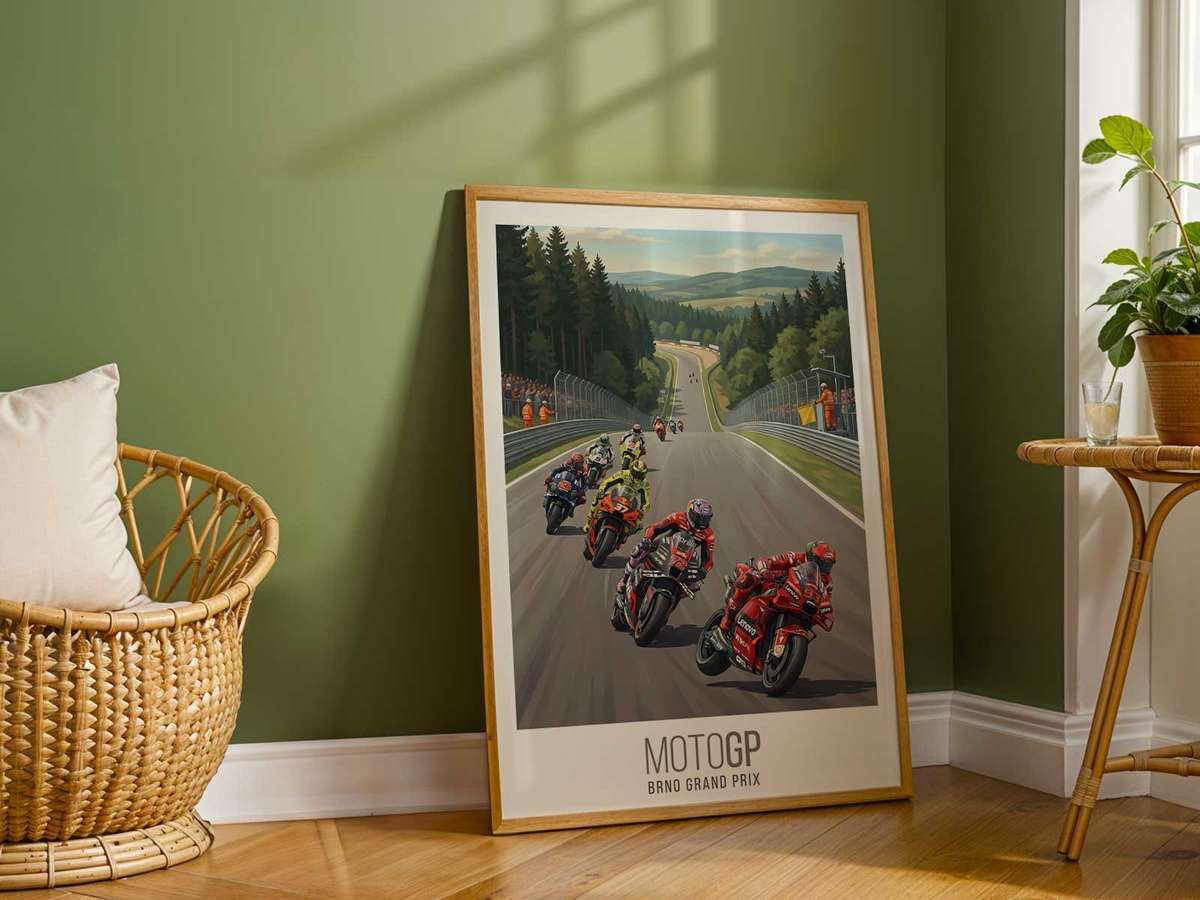
Here, KTM stands out through its ability to remain stable while still allowing the rider to push limits. It’s not immediately spectacular, and that’s exactly what makes this moment so compelling. In an interior space, this kind of scene works almost like a visual pause. It draws the eye without overwhelming it. The composition stays clean and minimal, with sharp lines and a subtle sense of motion. It’s easy to imagine it in an office or living room, bringing a sense of speed without aggression. For someone who appreciates the precision of MotoGP, it also makes a thoughtful gift—one that conveys something more nuanced than a simple victory.